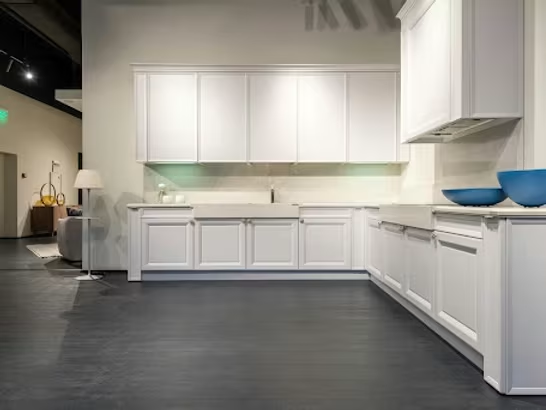
Choosing the right flooring is a pivotal decision for any homeowner, whether you are stepping into a brand-new BTO flat or giving a resale HDB unit a fresh start. Each type of HDB home presents unique considerations, from existing floor conditions to budget allocations and desired aesthetics. Understanding the nuances of various flooring options such as vinyl, laminate, and engineered wood will guide you toward a selection that not only enhances your living space but also stands the test of time. This guide explores the ideal flooring solutions tailored for the distinct requirements of BTO and resale HDB properties.
Understanding Your HDB Flooring Needs
Homeowners often ask, ‘Do BTO flats come with flooring?’ and ‘What type of flooring is best for HDB?’ Typically, BTO flats come with basic cement screed or simple ceramic tiles in wet areas, leaving the rest of the home as a blank canvas for personalization. Resale HDBs, conversely, may have existing worn-out tiles, parquet, or laminate that might require removal or overlaying. The best flooring type for an HDB flat hinges on factors like desired durability, ease of maintenance, budget, and overall aesthetic vision for your home. It involves balancing practical needs with design aspirations.
Flooring Considerations for BTO Flats
New BTO homeowners enjoy the flexibility of installing their preferred flooring from scratch. This opportunity allows for a seamless installation process without the hassle of dismantling existing structures. Focus should be on long-term durability, ease of cleaning, and how the flooring complements your interior design theme.
Vinyl Flooring: An increasingly popular choice, vinyl flooring offers exceptional versatility and resilience. Its waterproof properties make it suitable for various zones, including living areas and bedrooms, without concern for spills. SPC flooring, a rigid variant of vinyl, provides enhanced stability and dent resistance, making it an excellent long-term investment for active households. For a touch of luxury, consider premium SPC options.Pros: Highly water-resistant, durable, wide range of designs (wood, stone), comfortable underfoot, easy to maintain, can be installed over existing screed.Cons: Quality varies, professional installation recommended for best results.
Laminate Flooring: Offering the aesthetic of wood at a more accessible price point, laminate flooring is a common choice for BTOs. It is durable against scratches and fading, appealing to those who desire a wood look without the maintenance of real timber.Pros: Cost-effective, good scratch resistance, variety of wood patterns, relatively easy to install.Cons: Not waterproof (only water-resistant), can swell if exposed to excessive moisture, less sound absorbent than vinyl or engineered wood.
Engineered Wood Flooring: For homeowners seeking the authentic warmth and elegance of real wood, engineered wood flooring presents a superior option. Composed of multiple layers with a real wood veneer on top, it offers greater stability against humidity fluctuations compared to solid timber.Pros: Genuine wood aesthetic, stable in humid climates, can be refinished multiple times, adds value to the home.Cons: More expensive than laminate or vinyl, susceptible to scratches and water damage if not maintained properly, may require professional installation.
Flooring Solutions for Resale HDB Flats
Renovating a resale HDB often involves dealing with existing flooring. Homeowners frequently consider whether to overlay or fully hack and replace. The decision impacts cost, renovation timeline, and floor height.
Overlaying with Vinyl: One of the most common and efficient solutions for resale HDBs is to overlay existing tiles with vinyl flooring. This method significantly reduces renovation time and costs, as it eliminates the need for messy hacking and screeding. Modern vinyl planks are thin enough to minimize impact on door clearances.Pros: Cost-effective, minimal disruption, quick installation, wide range of designs, water-resistant.Cons: Requires existing floor to be relatively flat, may slightly raise floor height.
Full Hacking and Replacement: Opting for a complete overhaul provides the opportunity to start fresh, addressing any underlying issues with the subfloor. This allows for the installation of any flooring type, including solid timber flooring for a premium feel or large format tiles.Pros: Blank slate for design, allows for subfloor repair, can install any flooring type.Cons: More expensive, longer renovation time, messy, requires careful planning for rubbish disposal.
Comparing Flooring Types for HDB Homes
To help you decide, here is a quick comparison of popular flooring types suitable for both BTO and resale HDBs:
| Flooring Type | Durability | Water Resistance | Maintenance | Cost (Indicative) | Best For |
|---|---|---|---|---|---|
| Vinyl (SPC) | High (Dent & scratch resistant) | Excellent (Waterproof) | Low (Easy to clean) | Mid-range | High traffic areas, homes with kids/pets, overlaying existing floors |
| Laminate | Medium (Scratch resistant) | Low (Water-resistant, not waterproof) | Low (Easy to clean) | Low-Mid range | Budget-conscious, living/bedroom areas, dry spaces |
| Engineered Wood | Medium-High (Real wood top layer) | Medium (Some moisture resistance) | Medium (Requires careful cleaning) | High | Premium aesthetic, main living areas, adding home value |
| Solid Timber | High (Can be refinished) | Low (Sensitive to moisture) | High (Requires specific care) | Very High | Luxury homes, specific design themes, not common for full HDB |
Expert Insights for Your Flooring Project
As a flooring and interior design consultant, I frequently observe common pitfalls and triumphs in HDB flooring projects. Many homeowners underestimate the impact of humidity on certain flooring types. For instance, while solid timber flooring offers unparalleled beauty, Singapore’s climate demands meticulous installation and maintenance to prevent warping or gapping. This is why engineered wood or advanced SPC vinyl often provide a more practical balance of aesthetics and resilience for local conditions.
Another key insight involves planning for future needs. If you foresee elderly family members or young children, opting for flooring that offers good slip resistance and a softer underfoot feel, like vinyl flooring, can significantly enhance comfort and safety. Furthermore, considering acoustic properties is essential, especially for HDB living. Some flooring materials inherently offer better sound absorption, contributing to a quieter home environment.
For outdoor or semi-outdoor areas like balconies or service yards, consider specialised options like composite decking which is designed to withstand outdoor elements.
Making Your Final Flooring Decision
Ultimately, the best flooring for your HDB home, be it a BTO or resale unit, aligns with your lifestyle, budget, and design aspirations. For new BTOs, the freedom to choose from scratch allows for diverse options. Resale HDBs benefit from clever solutions like vinyl overlaying to minimise renovation disruption. Engage with reputable flooring providers who can offer detailed product information and installation expertise. A well-chosen floor forms the foundation of a beautiful and comfortable home.