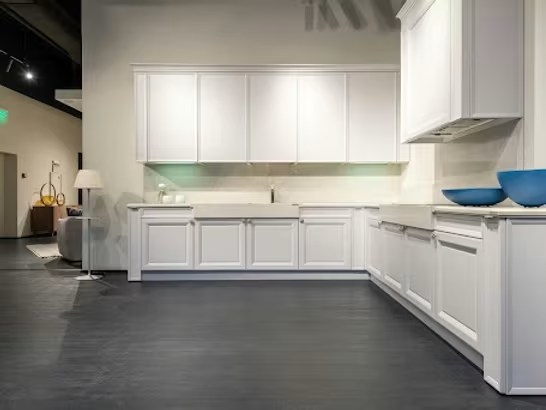
Does Floor Colour Really Affect The Look Of Your Room
Yes, floor colour significantly impacts a room’s aesthetic. It dictates the perceived size, brightness, and overall mood of a space, serving as the foundational element of any interior design scheme. The right floor colour can transform a cramped area into an expansive sanctuary or an overly large room into a cozy retreat.
Choosing floor colour goes beyond personal preference; it involves understanding how different hues interact with light and other design elements. Light-coloured flooring reflects light, making spaces feel larger and more open. Darker tones absorb light, creating a sense of intimacy and sophistication. Mid-tones offer versatility, balancing warmth and adaptability. This fundamental decision influences everything from furniture choices to wall colours, shaping the entire ambiance of your living or commercial environment.
The Psychology of Floor Colours
Understanding the psychological impact of floor colours is crucial in design. Each shade carries an inherent feeling, influencing how we perceive and experience a room.
Light Flooring: Expanding Your Space
- Perceived Size: Light floors, such as pale greys, whites, or light wood tones, reflect maximum light. This reflection blurs the boundaries of a room, making it appear more spacious and open. Ideal for smaller HDB flats or BTO units where maximizing perceived space is key.
- Brightness: These colours naturally enhance illumination, making a room feel brighter and airier, even in areas with limited natural light.
- Modern and Clean Feel: Light flooring often evokes a contemporary, minimalist aesthetic, contributing to a clean and uncluttered look.
Dark Flooring: Creating Depth and Warmth
- Cozy and Intimate: Dark floors, like rich browns, charcoals, or deep espresso tones, absorb light, creating a sense of warmth and coziness. They can make large, open-plan spaces feel more intimate and inviting.
- Sophistication and Drama: Dark shades lend an air of luxury and drama to a room, providing a strong contrast to lighter walls and furnishings.
- Grounding Effect: Dark flooring offers a solid, grounding base for your interior, highlighting other decorative elements.
Mid-Tone Flooring: The Versatile Choice
- Balance and Warmth: Mid-tone floors, spanning from warm honey to natural oak shades, strike a balance between light and dark. They offer warmth without overwhelming a small space or feeling too stark in a large one.
- Adaptability: These versatile colours pair well with a wide range of wall colours and decor styles, making them a popular choice for homeowners seeking flexibility in their design.
- Hides Imperfections: Mid-tones often prove more forgiving, naturally camouflaging dirt, dust, and minor scratches better than very light or very dark options.
Practical Considerations Beyond Aesthetics
Beyond visual appeal, practical factors heavily influence floor colour selection for both residential and commercial spaces.
Maintenance and Durability
The upkeep required for a particular floor colour varies significantly. Light-coloured floors tend to highlight dirt, stains, and footprints more readily, necessitating frequent cleaning. Darker floors, while hiding some everyday dust, often reveal lint, pet hair, and scratches more prominently. Mid-tone floors, especially those with subtle patterns or variations, generally offer the best camouflage for daily wear and tear, making them a practical choice for high-traffic areas or homes with children and pets.
Lighting’s Interaction with Floor Colour
Natural and artificial lighting plays a crucial role in how floor colour is perceived. Light flooring effectively amplifies natural light, bouncing it around the room to create a brighter, more expansive feel. This is particularly beneficial in rooms with limited windows or north-facing aspects. Dark flooring, conversely, absorbs light, which can make a room feel dimmer. In such cases, careful planning of artificial lighting is essential to prevent the space from feeling enclosed or unwelcoming. For example, installing ample overhead lighting or strategic floor lamps can compensate for the light absorption of darker floors, ensuring a balanced and well-lit environment.
Choosing the Right Hue: An Expert’s Insight
Selecting the ideal floor colour involves careful consideration of several interconnected factors. As an interior design consultant, experience shows thoughtful integration of these elements ensures a harmonious and functional space.
Room Size and Shape
For smaller rooms, or those with unusual shapes, lighter floor colours are generally recommended. They help to visually expand the space, making it feel more open and less confined. Light vinyl flooring or laminate flooring in pale tones can create an illusion of greater square footage. In contrast, larger rooms or open-concept layouts offer more flexibility. While light floors still work, darker colours can introduce a welcome sense of intimacy and definition without making the space feel cramped.
Existing Decor and Wall Colours
Coordination between your flooring and existing wall colours, furniture, and decor is paramount. The floor serves as a backdrop, influencing how other elements appear. Warm-toned floors, like those found in natural engineered wood flooring, pair well with warm wall colours or vibrant accents. Cool-toned floors, such as grey-washed SPC advanced vinyl flooring, complement cooler wall palettes and minimalist decor. Consider the overall balance and ensure the floor colour enhances, rather than competes with, your chosen aesthetic.
Lifestyle and Usage
Your daily life dictates practical floor colour choices. Homes with active children or pets benefit from mid-tone floors or those with subtle patterns, as they are more forgiving of spills, scratches, and everyday dirt. For commercial spaces or high-traffic areas like corridors and living rooms, durability and ease of maintenance are critical. A SPC Plus premium vinyl flooring or solid timber flooring in a forgiving hue can significantly reduce the visible impact of wear and tear, maintaining the space’s appearance for longer.
Flooring Types and Their Colour Palettes
Different flooring materials offer distinct ranges of colours and finishes, each bringing a unique character to your space.
| Flooring Type | Typical Colour Range | Common Aesthetic Impact |
|---|---|---|
| Vinyl Flooring | Wide array of wood, stone, abstract patterns. Light to dark. | Versatile, practical, can mimic natural materials convincingly. |
| SPC Advanced Vinyl Flooring | Extensive wood and stone designs. Primarily natural wood tones, greys, and marbls. | Durable, water-resistant, modern, clean lines. |
| SPC Plus Premium Vinyl Flooring | Premium wood and stone looks. Richer, deeper hues often with textured finishes. | Enhanced realism, durability, luxurious feel. |
| Engineered Wood Flooring | Natural wood species: oaks, maples, walnuts. Light to dark, various finishes. | Authentic wood look, warmth, classic elegance. |
| Solid Timber Flooring | Natural variations of wood, rich browns, reds, and custom stains. | Timeless, luxurious, natural character, long-lasting. |
| Laminate Flooring | Broad range of wood, tile, and stone patterns. Highly versatile in shades. | Cost-effective, good durability, wide design options. |
| Composite Decking Flooring | Natural wood colours, grey, and charcoal tones for outdoor spaces. | Low maintenance, weather-resistant, contemporary outdoor aesthetic. |
Common Questions Answered
Many individuals seek clarity on specific aspects of floor colour selection. Here are answers to some frequently asked questions from homeowners and commercial decision-makers.
Does light or dark flooring make a room look bigger?
Light floors generally make a room appear larger and more open by reflecting light and blurring boundaries. They create an airy, expansive feeling. Dark floors can make a room feel cozier and more defined, but may visually reduce its size if not balanced with light walls and decor. The interplay with wall colours is crucial; dark floors with light walls can offer a striking contrast that still feels spacious.
What floor color makes a room look brighter?
Lighter floor colours, especially those with cooler undertones like pale grey or whitewashed wood, significantly enhance brightness. They reflect more natural and artificial light, creating an illuminated and uplifting atmosphere. This effect is particularly noticeable in rooms with limited natural light or those aiming for a clean, modern aesthetic.
What is the most forgiving floor color for dirt?
Mid-tone floors with subtle variations or patterns often hide dirt, dust, and minor scratches best. These colours do not starkly contrast with common household debris. Very dark floors tend to highlight dust, lint, and light-coloured pet hair, while very light floors show stains, footprints, and darker particles more readily. A multi-tonal or distressed finish also helps to disguise imperfections.
Ultimately, your choice of floor colour is a powerful design tool. It sets the stage for your entire space, influencing perception and mood. Consider your room’s purpose, lighting, existing decor, and lifestyle to make an informed decision that truly transforms your home or commercial environment. Consulting with a flooring and interior design professional can provide tailored insights, ensuring your flooring choice aligns perfectly with your vision and practical needs.