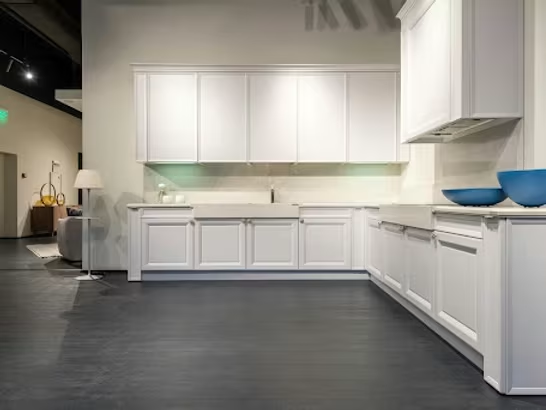
Sustainable flooring options are gaining popularity, offering significant benefits for both your property and the planet. These materials contribute to healthier indoor environments by reducing harmful emissions, lessen environmental impact through responsible sourcing and reduced waste, and often provide long-term cost savings due to their durability and low maintenance. Opting for sustainable flooring is a forward-thinking decision, reflecting a commitment to wellness, environmental stewardship, and smart investment, making it an excellent choice for any residential or commercial project.
Embracing Eco-Friendly Flooring: A Sustainable Choice for Modern Living Spaces
Understanding Sustainable Flooring
In the evolving landscape of interior design and construction, sustainable flooring stands as a crucial element. It refers to flooring materials that are environmentally responsible and contribute to healthier living or working spaces. This means considering the entire lifecycle of the product, from raw material extraction and manufacturing to installation, use, and eventual disposal. Homeowners and commercial entities increasingly seek options that align with green building principles.
Choosing sustainable materials reduces your carbon footprint. It lessens demand for finite resources and supports practices that protect ecosystems. Furthermore, these materials often boast superior indoor air quality. They emit fewer volatile organic compounds (VOCs), contributing to a safer environment for occupants.
The Key Advantages of Sustainable Flooring
When selecting flooring, consider the myriad benefits sustainable options offer beyond initial aesthetics.
Healthier Indoor Air Quality
Traditional flooring materials sometimes release VOCs, which can negatively impact indoor air quality. These chemicals are linked to various health issues, including respiratory problems and allergies. Sustainable flooring often uses natural, low-VOC, or no-VOC materials. This leads to significantly cleaner indoor air. For homes with children, the elderly, or individuals with sensitivities, this aspect is particularly vital. A healthier home environment supports overall well-being.
Environmental Stewardship
One of the core pillars of sustainable flooring is its reduced environmental impact. Many options utilize recycled content, renewable resources, or responsibly harvested materials. For example, some manufacturers repurpose discarded plastic or wood waste into new flooring products. Others source wood from forests managed under strict sustainability guidelines. This approach minimizes landfill waste, conserves natural resources, and lowers energy consumption during production. It represents a tangible step towards a greener future.
Long-Term Value and Cost-Effectiveness
While the initial cost of some sustainable flooring might seem higher, consider the long-term savings. Many eco-friendly materials are designed for exceptional durability and longevity. They withstand heavy traffic and resist wear, reducing the need for frequent replacement or costly repairs. This translates to fewer material purchases and lower installation costs over time. Furthermore, certain sustainable floors offer better insulation properties, potentially reducing heating and cooling expenses. This makes them a wise financial investment for both homes and businesses.
Exceptional Durability and Longevity
The notion that sustainable means fragile is a misconception. Many sustainable flooring options are incredibly robust. Engineered wood flooring, for instance, offers superior stability and resistance to moisture compared to solid timber. Materials like advanced SPC vinyl are known for their extreme durability, often outperforming traditional vinyl in high-traffic areas. This inherent strength ensures your floors maintain their appearance and functionality for many years, even decades. This durability directly contributes to sustainability by extending product lifespan and minimizing waste.
Popular Sustainable Flooring Options for Your Space
A diverse range of sustainable flooring materials exists, each with unique properties and aesthetic appeal. Choosing the right one depends on your specific needs, design preferences, and budget.
- Vinyl Flooring: Modern vinyl options have evolved, with some products incorporating recycled content and low-VOC formulations. Look for durable vinyl flooring that meets green certifications for a more sustainable choice.
- Stone Polymer Composite (SPC) Flooring: This category includes innovative SPC flooring and premium SPC solutions. SPC is known for its extreme durability, water resistance, and often uses recycled stone powder in its core, reducing reliance on virgin materials. Its long lifespan also contributes to sustainability.
- Engineered Wood Flooring: Engineered wood flooring uses a thinner layer of natural wood over a highly stable core. This efficient use of precious timber resources makes it a more sustainable choice than solid wood in many applications. It offers the classic look of wood with enhanced stability.
- Solid Timber Flooring: While a natural resource, the sustainability of natural timber flooring depends heavily on its sourcing. Look for certifications like FSC (Forest Stewardship Council) to ensure it comes from responsibly managed forests. Its long lifespan and ability to be refinished multiple times also contribute to its sustainability.
- Laminate Flooring: Some versatile laminate flooring products incorporate recycled wood content and low-VOC adhesives. Its layered construction can make efficient use of wood fibers.
- Composite Decking: For outdoor spaces, sustainable outdoor decking often combines recycled plastics and wood fibers. This diverts waste from landfills and offers exceptional durability against weather elements, requiring minimal maintenance.
Addressing Common Concerns about Sustainable Flooring
Homeowners and commercial decision-makers often have questions regarding the practicality and feasibility of adopting sustainable flooring. It’s important to address these directly.
Is sustainable flooring more expensive upfront?
Not always. While some premium sustainable options might have a higher initial cost, many are competitively priced with traditional materials. Crucially, their superior durability and lower maintenance requirements often lead to significant cost savings over the lifespan of the flooring. Consider the total cost of ownership, not just the purchase price. Floors that last longer and require less upkeep are ultimately more economical.
How does sustainable flooring affect indoor air quality specifically?
A major benefit is the reduction of VOCs. Traditional glues and finishes often off-gas harmful chemicals. Sustainable options typically use water-based adhesives, natural oils, or are inherently low in chemical emissions. This creates a much healthier indoor environment, reducing risks of respiratory irritation, headaches, and other health issues associated with poor air quality. Many products now carry certifications indicating low-VOC emissions.
Making the Right Sustainable Choice for Your Home or Business
Selecting sustainable flooring is a thoughtful process. It involves balancing aesthetic desires with environmental consciousness and practical needs. As a flooring consultant, my advice emphasizes looking beyond current trends. Focus on materials that offer longevity, support responsible manufacturing, and contribute positively to your indoor environment. For residential projects, consider how the flooring will impact your family’s health and daily life. For commercial spaces, think about durability under high traffic and the message your business conveys through its material choices. Ultimately, sustainable flooring is an investment in your property’s value, your well-being, and the planet’s health.