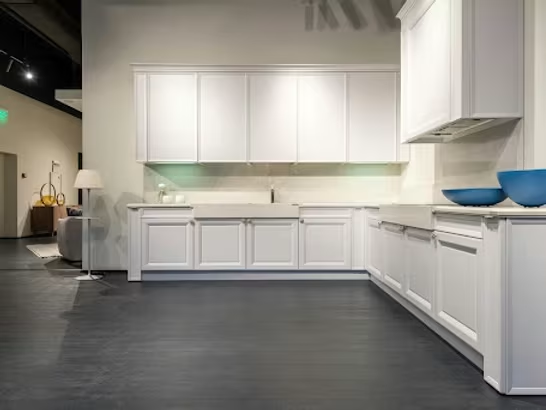
Non-toxic Wood Flooring | Floorrich
For Singapore homeowners and commercial decision-makers, choosing flooring goes beyond aesthetics and durability. A growing concern is the impact of materials on indoor air quality and overall health. Non-toxic flooring, especially options like wood, offers a solution, significantly reducing harmful volatile organic compounds (VOCs) and other chemicals in your living or working space. This focus on healthier materials ensures a safer environment for families, employees, and even pets. Understanding what makes flooring truly non-toxic is essential for making informed decisions, leading to a home or commercial building that supports well-being.
Understanding Non-Toxic Flooring: What Does It Mean?
Non-toxic flooring refers to materials that do not emit harmful chemicals into the air, specifically volatile organic compounds (VOCs) and other potentially hazardous substances. These emissions, known as off-gassing, can significantly degrade indoor air quality, contributing to a range of health issues from respiratory problems and allergies to more severe conditions over time. When we talk about non-toxic wood flooring, it is not just about the wood itself, but also the adhesives, finishes, and treatments applied during manufacturing and installation. A truly non-toxic option prioritises materials free from formaldehyde, phthalates, heavy metals, and persistent organic pollutants, ensuring a healthier indoor environment.
Why Choose Non-Toxic Wood Flooring for Your Singapore Home?
The choice of non-toxic wood flooring offers numerous benefits, directly impacting health and environmental sustainability. For families, especially those with young children, seniors, or individuals with sensitivities, minimising exposure to indoor air pollutants is critical. Non-toxic options reduce the risk of allergies, asthma flare-ups, and other respiratory issues often linked to poor indoor air quality. From an environmental perspective, these flooring choices frequently come from sustainably managed forests and utilise manufacturing processes that reduce ecological footprint. Furthermore, modern non-toxic wood flooring combines these health advantages with the timeless beauty and durability wood is known for, enhancing both residential and commercial spaces.
The Health Benefits of Cleaner Air
Indoor air quality is often compromised by chemicals off-gassing from building materials, furniture, and cleaning products. Selecting non-toxic vinyl flooring or wood options dramatically lowers the concentration of these airborne pollutants. This translates to fewer headaches, reduced eye and throat irritation, and a decreased likelihood of developing chronic respiratory conditions. For HDB/BTO homeowners, who often live in more compact spaces, the impact of air quality is amplified. Investing in healthier flooring is an investment in long-term well-being.
Environmental Responsibility and Sustainable Choices
Beyond personal health, non-toxic wood flooring frequently aligns with eco-friendly practices. Many manufacturers of these products commit to sustainable forestry, using reclaimed wood, or employing low-impact production methods. This responsible sourcing minimises deforestation and reduces the carbon footprint associated with flooring production. For those seeking to build or renovate with environmental consciousness, non-toxic options are a clear choice, supporting a healthier planet alongside healthier homes.
Key Toxins to Watch Out For in Flooring
When evaluating flooring options, certain chemicals are commonly associated with adverse health effects. Being aware of these helps in making informed, healthier choices:
- Formaldehyde: A common VOC found in adhesives and resins used in engineered wood, laminates, and carpets. It is a known carcinogen and can cause respiratory irritation.
- Phthalates: Often used to make vinyl flexible, these chemicals are endocrine disruptors and have been linked to developmental and reproductive issues. This is particularly relevant for those considering vinyl flooring.
- Volatile Organic Compounds (VOCs): A broad category of chemicals that off-gas from paints, finishes, adhesives, and many building materials. They contribute to smog and can cause short-term and long-term health problems.
- Heavy Metals: Such as lead and cadmium, occasionally found in older flooring products or certain pigments. These are highly toxic and persist in the environment.
- Flame Retardants: Applied to some flooring materials to meet fire safety standards, but some types (e.g., PBDEs) are persistent organic pollutants linked to neurological and developmental issues.
Certifications and Standards for Truly Non-Toxic Flooring
Identifying truly non-toxic flooring can be challenging without clear guidance. Fortunately, several reputable third-party certifications provide assurance that products meet stringent indoor air quality standards:
- GREENGUARD Certification: Products certified by GREENGUARD (Underwriters Laboratories) meet strict chemical emission limits, contributing to healthier indoor air. Both GREENGUARD Gold (for more sensitive environments) and GREENGUARD certifications are highly regarded.
- FloorScore: Specifically for resilient flooring products, this certification ensures products meet rigorous indoor air quality standards for VOC emissions. It is a strong indicator of low-emission vinyl or engineered flooring.
- Forest Stewardship Council (FSC): While not directly about toxicity, FSC certification indicates that wood products come from responsibly managed forests, promoting environmental sustainability, which often goes hand-in-hand with non-toxic processing.
- SCS Global Services: Offers various certifications for environmental performance, including indoor air quality, recycled content, and sustainable forestry.
Always look for these labels when selecting your flooring to ensure genuine non-toxic properties.
Comparing Non-Toxic Wood Flooring Options
When it comes to wood flooring, understanding the differences between solid wood, engineered wood, and even high-quality vinyl (for a broader non-toxic comparison) is key. Each has its characteristics regarding composition, installation, and ultimately, its potential for non-toxic properties.
Solid Hardwood Flooring
Solid hardwood is milled from a single piece of timber. Its natural composition inherently makes it a good candidate for non-toxic flooring, provided the finishes and adhesives used are low-VOC. It can be sanded and refinished multiple times, offering longevity. However, it is susceptible to moisture and temperature changes.
- Pros: Naturally low in VOCs (if unfinished), long lifespan, can be refinished, excellent durability.
- Cons: More sensitive to humidity changes, higher initial cost, requires professional installation.
Engineered Wood Flooring
Engineered wood consists of multiple layers of wood, with a top layer of real wood veneer and a core of plywood or high-density fiberboard (HDF). The potential for toxins lies in the adhesives used to bind these layers and the core material itself. Opt for engineered wood with ultra-low formaldehyde (ULEF) or no-added formaldehyde (NAF) glues.
- Pros: More stable than solid wood in varying humidity, can be installed in more areas, often less expensive than solid.
- Cons: Adhesive use can introduce VOCs (unless certified), limited refinishing capability, veneer can be thin.
Non-Toxic Vinyl Flooring (LVT/SPC)
While not wood, modern vinyl options like Luxury Vinyl Tile (LVT) and Stone Polymer Composite (SPC) have significantly improved their non-toxic profiles. Many now come with FloorScore or GREENGUARD certifications, indicating low VOC emissions and absence of phthalates. They offer excellent water resistance and durability, making them a popular choice for Singapore homes.
- Pros: Highly water resistant, very durable, wide range of designs, often certified non-toxic.
- Cons: Not a natural wood product, feel can differ from real wood, disposal can be less environmentally friendly if not recyclable.
| Feature | Solid Hardwood | Engineered Wood | Non-Toxic Vinyl (LVT/SPC) |
|---|---|---|---|
| Primary Material | Solid wood planks | Wood veneer over core | PVC/Stone composite |
| Toxicity Concern | Finishes, adhesives | Adhesives, core materials | Phthalates (avoid certified), VOCs (avoid certified) |
| Best Non-Toxic Choice | Unfinished + non-toxic finish | ULEF/NAF glues, certified | FloorScore/GREENGUARD certified |
| Durability/Lifespan | Very high (can be refinished) | High (limited refinishing) | Very high, water resistant |
| Installation Area | Dry areas only | Most areas, more stable | All areas, including bathrooms |
The Installation Process: Ensuring a Non-Toxic Outcome
Choosing a non-toxic flooring material is only half the battle. The installation process itself can introduce toxins if care is not taken. Adhesives, sealants, and finishes used during installation can off-gas VOCs for weeks or even months. It is crucial to discuss the entire installation system with your flooring provider.
Insist on low-VOC or no-VOC adhesives and finishes. Many reputable brands offer such products that meet stringent air quality standards. Proper ventilation during and after installation is also vital to dissipate any residual fumes quickly. A professional flooring installation team will ensure these practices are followed, minimising exposure to harmful chemicals from the start.
Making the Right Choice for Your Space: An Expert’s View
Selecting the ideal non-toxic flooring involves balancing various factors unique to each project. For residential clients, particularly families, the focus on minimising chemical exposure for children and pets often takes precedence. Durability, ease of maintenance, and aesthetic appeal also play significant roles. For commercial spaces, such as offices or retail outlets, the concern for employee and customer well-being combined with high foot traffic demands highly durable and certified low-emission products.
Consider the specific environment. A kitchen or bathroom might benefit from certified non-toxic vinyl flooring due to its water resistance, while living areas could embrace engineered or solid wood with appropriate non-toxic finishes. It is always advisable to consult with a flooring specialist. They can guide you through the available options, discuss certifications, and help you understand the full scope of costs and long-term benefits for your specific needs. Understanding your budget, lifestyle, and aesthetic preferences will help narrow down the best non-toxic solutions.
Explore our past projects to see how our clients have incorporated safe and beautiful flooring solutions into their homes and businesses. When you are ready to discuss your specific needs, speak with our team for a personalised consultation.
Frequently Asked Questions About Non-Toxic Flooring
Is vinyl flooring truly non-toxic?
Modern vinyl flooring, particularly Luxury Vinyl Tile (LVT) and Stone Polymer Composite (SPC), can be truly non-toxic. Look for certifications like FloorScore or GREENGUARD, which guarantee low VOC emissions and the absence of harmful phthalates. These certified products are designed to meet stringent indoor air quality standards.
How long do VOCs off-gas from new flooring?
The majority of VOC off-gassing occurs within the first 72 hours to a few weeks after installation. However, some materials can continue to off-gas at lower levels for several months or even years. Proper ventilation during and after installation, along with choosing certified low-VOC products, significantly reduces this period and overall exposure.
Can I make my existing floors non-toxic?
If your existing floors are solid wood, you can make them more non-toxic by sanding them down and applying new low-VOC or zero-VOC finishes and sealants. For other flooring types, such as older vinyl or laminates, replacement with certified non-toxic options is generally the most effective way to improve indoor air quality. Always consult with a flooring professional for specific advice.
What is the most eco-friendly flooring option?
The ‘most’ eco-friendly option depends on various factors including sourcing, manufacturing process, durability, and end-of-life disposal. Options like sustainably sourced solid hardwood (FSC certified) with non-toxic finishes, bamboo, cork, and certified non-toxic wood decking or vinyl (FloorScore, GREENGUARD) are all strong contenders. Considering the entire lifecycle of the product is key.