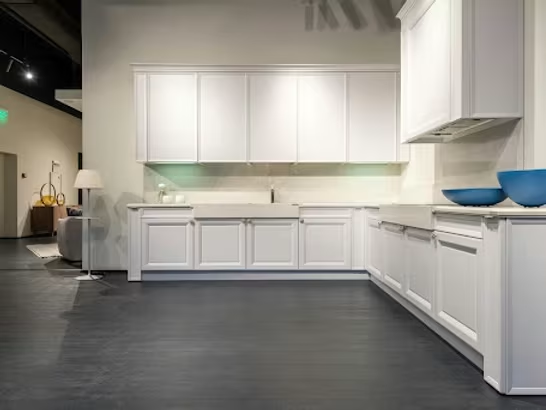
As homeowners, BTO/HDB residents, and commercial decision-makers in Singapore, creating a healthier, more environmentally conscious living or working space is a growing priority. Choosing sustainable flooring is a pivotal step in this direction, offering benefits that extend beyond aesthetics to positively impact indoor air quality, long-term costs, and the planet. This guide explores the diverse landscape of eco-friendly flooring options, from high-quality vinyl to elegant wood decking, helping you make informed decisions for a greener future without compromising on style or durability.
Sustainable Flooring Options Guide to Eco-friendly Choices
What Makes Flooring Sustainable and Eco-Friendly?
Sustainable flooring refers to materials and practices that minimize environmental impact throughout their entire lifecycle, from manufacturing to installation and disposal. It encompasses using renewable or recycled resources, reducing energy consumption and waste during production, and ensuring low emissions of harmful chemicals. Eco-friendly choices prioritize human health, contributing to better indoor air quality by limiting volatile organic compounds (VOCs). Ultimately, the goal is to lessen the carbon footprint and promote a healthier living or working environment for everyone involved.
Key Pillars of Sustainable Flooring
- Renewable or Recycled Materials: Sourced from rapidly renewable resources like bamboo or cork, or made from significant percentages of post-consumer or post-industrial recycled content.
- Low VOC Emissions: Products certified to emit minimal amounts of volatile organic compounds, which can negatively affect indoor air quality and human health.
- Durability and Longevity: Flooring designed to last longer reduces the need for frequent replacement, conserving resources and minimizing waste over time.
- Ethical Sourcing and Manufacturing: Ensures materials are obtained without harming ecosystems or exploiting labor, and production processes are energy-efficient and minimize pollution.
- End-of-Life Disposal: Consideration for how the flooring can be recycled, reused, or responsibly disposed of at the end of its functional life.
Popular Sustainable Flooring Materials in Singapore
Singaporean homes and commercial spaces increasingly feature a variety of flooring options balancing aesthetics, performance, and environmental responsibility. While traditional choices persist, innovative materials are gaining traction for their sustainable attributes. Understanding the specific characteristics of each option allows for a tailored selection that aligns with both design preferences and ecological values.
Vinyl Flooring: A Closer Look
Modern vinyl flooring, particularly Luxury Vinyl Tiles (LVT) and planks, has evolved significantly in its sustainability profile. Many manufacturers now offer products with high recycled content and low-VOC certifications, moving away from older, less eco-friendly formulations. Its exceptional durability means a longer lifespan, reducing replacement frequency and waste. Selecting vinyl with reputable environmental certifications is crucial for ensuring a more sustainable choice.
- Pros:
- Highly durable and water-resistant.
- Easy to maintain and clean.
- Available in a wide range of designs, mimicking wood or stone.
- Newer formulations often contain recycled content and are low-VOC.
- Cons:
- Can be difficult to recycle at the end of its life unless specific programs are available.
- Older or cheaper vinyl can contain harmful phthalates and higher VOCs.
Expert Insight: ‘When considering vinyl, always look for reputable brands that provide clear information on recycled content and VOC emissions. Certifications like GreenGuard or FloorScore are strong indicators of a healthier product. The long lifespan of high-quality vinyl flooring significantly contributes to its sustainability by deferring the need for replacement.’
Wood Decking: Natural Beauty with Responsibilities
Wood decking, especially for outdoor spaces or as an interior feature, offers a natural, warm aesthetic. Its sustainability depends heavily on responsible sourcing. Certified wood, like that from the Forest Stewardship Council (FSC), ensures timber comes from sustainably managed forests, where trees are replanted and biodiversity is protected. The durability of quality wood means it can last for decades with proper maintenance, making it a sustainable choice over its lifecycle.
- Pros:
- Natural, warm appearance and feel.
- Durable and long-lasting if well-maintained.
- Renewable resource when sourced responsibly (FSC certified).
- Can be refinished multiple times, extending its life.
- Cons:
- Requires regular maintenance (oiling, sealing) to prolong life.
- Susceptible to moisture and pest damage if not properly treated or maintained.
- Can be more expensive than other options, especially certified wood.
Expert Insight: ‘For wood decking, the most crucial aspect is sourcing. Always inquire about FSC or PEFC certifications. While wood is a renewable resource, unsustainable logging practices negate its environmental benefits. A well-installed and maintained wood deck can be an incredibly sustainable and beautiful addition to any property.’
Other Eco-Friendly Flooring Alternatives
| Material | Sustainability Aspect | Considerations |
|---|---|---|
| Bamboo | Rapidly renewable grass, matures quickly. | Processing methods (adhesives, finishes) can impact sustainability; check for low-VOC products. |
| Cork | Harvested from tree bark without felling the tree; renewable, natural insulator. | Can be susceptible to moisture damage and scratches; requires careful sealing and maintenance. |
| Recycled Rubber | Made from recycled tires; highly durable, good for high-traffic or gym areas. | Can have a distinct rubber odor; limited aesthetic options; adhesive choice is important for VOCs. |
| Linoleum | Made from natural, renewable materials (linseed oil, cork dust, wood flour). | Can be susceptible to dents and scratches; requires specific care; not to be confused with vinyl. |
Benefits of Choosing Sustainable Flooring for Your Home or Commercial Space
Embracing sustainable flooring solutions offers a multitude of advantages that go beyond environmental preservation. These benefits directly impact the health of occupants, the financial outlay over time, and the overall value and appeal of the property. Investing in eco-friendly options aligns with modern values and provides tangible returns.
- Healthier Indoor Air Quality: Low-VOC flooring significantly reduces the release of harmful chemicals, leading to improved air quality and fewer respiratory issues or allergies for occupants.
- Long-Term Cost Savings: Durable and long-lasting materials reduce the need for frequent replacements and extensive repairs, saving money on materials and labor over the flooring’s lifespan.
- Environmental Impact Reduction: Choosing sustainable options lessens demand for virgin resources, reduces landfill waste, and decreases carbon emissions associated with manufacturing and transport.
- Enhanced Property Value: Eco-friendly features are increasingly attractive to buyers and tenants, potentially boosting property value and marketability in a green-conscious market.
Expert Opinion: ‘Beyond the immediate environmental benefits, the long-term cost savings and health advantages of sustainable flooring are compelling. While the upfront cost might sometimes be slightly higher, the reduced maintenance and extended lifespan, coupled with improved indoor air quality, offer a superior return on investment for both residential and commercial properties.’
Choosing the Right Sustainable Option for Your Needs
Selecting the ideal sustainable flooring involves more than just environmental credentials. It requires a holistic assessment of your specific requirements, lifestyle, and design aspirations. A thoughtful approach ensures the chosen flooring not only meets sustainability goals but also performs optimally in its intended environment.
Important Considerations
- Project Scope and Budget: Evaluate the total area to be floored and establish a realistic budget. Sustainable options exist across various price points.
- Lifestyle and Usage: Consider the traffic levels, presence of pets or children, and potential for spills or heavy wear. High-traffic areas may require more durable, low-maintenance options.
- Maintenance Requirements: Understand the ongoing care needed for each material. Some sustainable options require more specific cleaning or sealing than others.
- Installation Complexity: Factor in the installation process. Some eco-friendly materials are more challenging to install, potentially impacting labor costs and project timelines.
For personalized recommendations and to explore our range of high-quality, sustainable flooring options, contact our flooring specialists today. We provide tailored solutions for homes and commercial spaces across Singapore.
Frequently Asked Questions About Sustainable Flooring
Many common questions arise when homeowners and commercial decision-makers consider sustainable flooring. Addressing these provides clarity and confidence in making eco-conscious choices for their properties.
Is vinyl flooring truly eco-friendly?
Modern vinyl flooring can be considered eco-friendlier than its predecessors, especially when it features recycled content and low-VOC formulations. Leading manufacturers are investing in closed-loop recycling programs and more sustainable production processes. While not fully biodegradable, its exceptional durability means it stays out of landfills longer, contributing to sustainability through longevity. Always prioritize products with environmental certifications for a more responsible choice.
How long does sustainable flooring last?
The lifespan of sustainable flooring varies greatly depending on the material, quality of installation, and maintenance. High-quality vinyl flooring and well-maintained wood decking can last 20-30 years or even longer. Materials like cork and bamboo typically last 10-25 years. The inherent durability of sustainable options is a key part of their environmental benefit, as it reduces the frequency of replacement and thus consumption of resources.
What are VOCs and why should I care?
VOCs, or Volatile Organic Compounds, are gases emitted from certain solids or liquids, including many building materials and finishes. They can contribute to indoor air pollution and cause short-term health effects like headaches, dizziness, and respiratory irritation, as well as long-term health problems. Choosing low-VOC or no-VOC flooring significantly improves indoor air quality, creating a healthier environment for occupants, particularly important in tightly sealed modern homes and commercial buildings.
Making an Informed Choice
Opting for sustainable flooring is a thoughtful investment in both your property and the planet. By prioritizing materials with low environmental impact, superior durability, and healthy indoor air quality, you create spaces that are not only beautiful but also responsible. From the versatility of high-quality vinyl to the natural elegance of wood decking, a sustainable option exists for every aesthetic and functional need. Empower yourself with knowledge, ask questions about sourcing and certifications, and choose a floor that stands the test of time, both aesthetically and ecologically. For more information on caring for your investment, explore our flooring maintenance tips.