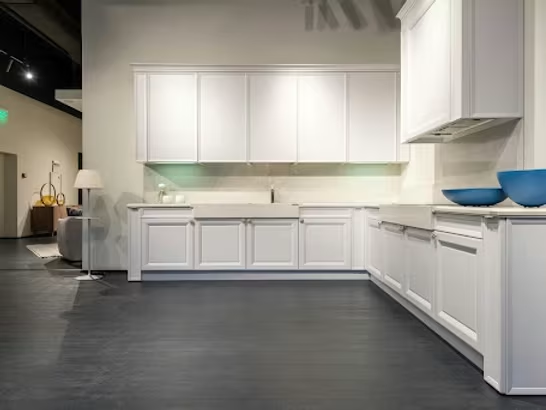
Your flooring is more than just a surface; it’s a significant component of your home’s indoor environment. Understanding how different flooring materials, their manufacturing, and maintenance can impact air quality and overall well-being is essential for every homeowner and commercial decision-maker. Factors like Volatile Organic Compounds (VOCs), allergens, and even the adhesives used in installation play a crucial role in determining if your flooring is truly healthy for you and your family.
So,
Is Your Flooring Healthy For You?
The answer lies in making informed choices. Modern advancements in flooring technology offer a wide range of options designed with health and sustainability in mind, reducing the presence of harmful chemicals like VOCs and phthalates. By selecting products with relevant certifications, ensuring proper installation, and maintaining them with eco-friendly practices, you can create a safer and more breathable indoor space. Prioritizing healthy flooring contributes directly to better air quality, fewer allergens, and a more comfortable living or working environment for everyone.
Understanding Indoor Air Quality and Your Flooring
The air inside our homes and workplaces can often be more polluted than the air outside, largely due to off-gassing from building materials, furniture, and cleaning products. Flooring, being a large surface area, can significantly contribute to indoor air quality (IAQ).
What are Volatile Organic Compounds (VOCs)?
Volatile Organic Compounds (VOCs) are gases emitted from certain solids or liquids. They include a variety of chemicals, some of which may have short-term or long-term adverse health effects. Common sources of VOCs in flooring include adhesives, sealants, finishes, and the flooring materials themselves, especially those made from synthetic polymers. For instance, studies by the U.S. Environmental Protection Agency (EPA) indicate that indoor VOC levels can be two to five times higher than outdoor levels, highlighting the importance of choosing low-emission products.
The Dangers of Off-Gassing
Off-gassing refers to the release of airborne chemicals from products into the indoor environment. This process can last for days, weeks, or even months after new flooring is installed, leading to the ‘new floor smell’. Prolonged exposure to high levels of certain VOCs, like formaldehyde or phthalates, can cause respiratory irritation, headaches, nausea, and potentially more serious long-term health issues. Young children, the elderly, and individuals with respiratory conditions like asthma are particularly vulnerable.
Choosing Healthy Flooring Materials for Singapore Homes
When selecting flooring, consider its material composition and how it affects indoor air quality. Singaporean homes, particularly HDBs and BTOs, benefit greatly from durable and healthy options.
Vinyl Flooring and Health
Vinyl flooring has evolved significantly. While older generations of vinyl contained high levels of phthalates and emitted more VOCs, modern luxury vinyl flooring (LVF) and luxury vinyl planks (LVP) are often manufactured to much higher health and environmental standards.
Pros of Modern Vinyl Flooring:
- Highly durable and water-resistant, ideal for Singapore’s humid climate.
- Easy to clean, which helps in reducing allergens.
- Many modern options are designed to be low-VOC and phthalate-free.
- Can mimic natural materials like wood and stone without their maintenance demands.
Considerations for Vinyl Flooring:
- Always check for certifications. Ensure the product meets stringent indoor air quality standards.
- While generally safe, some budget-friendly options might still contain higher levels of undesirable chemicals.
As a flooring consultant, I always advise clients to look for vinyl flooring that carries reputable certifications such as FloorScore, GreenGuard, or the Singapore Green Label. These certifications indicate that the product has been tested for low VOC emissions, ensuring better indoor air quality for your home. You can explore our vinyl flooring options that meet these standards.
Wood Decking and Health
Wood decking, especially for balconies or outdoor areas, offers natural beauty and durability. For indoor use, engineered wood or solid timber flooring also presents a healthy option when chosen carefully.
Pros of Wood Decking/Flooring:
- Natural material, often with lower inherent chemical emissions compared to synthetics.
- Adds warmth and natural aesthetic appeal.
- Can be a good choice for allergy sufferers if properly sealed and maintained.
Considerations for Wood Decking/Flooring:
- Some wood sealants and finishes can contain VOCs. Opt for water-based or natural oil finishes.
- Dust and pollen can accumulate in grooves if not regularly cleaned, potentially triggering allergies.
- Ensure wood is sustainably sourced (e.g., FSC certified) to support environmental health.
When considering wood, inquire about the types of glues used in engineered wood products, as some can contain formaldehyde. Prioritizing solid wood or engineered wood with low-formaldehyde adhesives is key to a healthier home environment.
Common Concerns: Answering Your Questions
Homeowners often have specific questions regarding the health aspects of their flooring.
Is new flooring smell harmful?
The ‘new flooring smell’ is typically due to VOCs off-gassing. While a mild smell might dissipate quickly, a strong, persistent odor could indicate higher levels of VOCs. It is advisable to ventilate the area well during and after installation, opening windows and using fans. For commercial spaces, proper ventilation after installation is critical to ensure a healthy environment for occupants.
What flooring is best for allergy sufferers?
For individuals with allergies, smooth, easy-to-clean surfaces are generally recommended. This makes vinyl flooring, engineered wood, or solid wood excellent choices over carpets, which can trap dust mites, pet dander, and pollen. Regular cleaning, including vacuuming with a HEPA filter and damp mopping, is crucial regardless of the flooring type to minimize allergens.
How can I ensure my flooring is safe?
To ensure your flooring is safe and healthy:
- Look for Certifications: Prioritize products with third-party certifications like FloorScore, GreenGuard, or the Singapore Green Label. These programs test for low VOC emissions.
- Choose Reputable Suppliers: Purchase from companies known for quality and transparency about their products’ composition.
- Inquire About Adhesives: If adhesives are required for installation, ask about low-VOC or zero-VOC options.
- Ensure Proper Ventilation: Ventilate the area thoroughly during and after installation to allow for off-gassing.
Beyond Material: Installation and Maintenance for a Healthier Home
The health impact of your flooring extends beyond just the material itself. How it is installed and maintained also plays a vital role.
The Role of Adhesives and Finishes
Adhesives, sealants, and finishes used during flooring installation can be significant sources of VOCs. Opt for professional installers who use low-VOC or zero-VOC glues and water-based finishes. These options minimize airborne chemical emissions, creating a healthier environment during and after the installation process.
Maintaining Your Healthy Floor
Regular and proper maintenance is crucial for keeping your flooring healthy. This involves:
- Regular Cleaning: Sweep or vacuum regularly to remove dust, dirt, and allergens.
- Gentle Cleaning Products: Use mild, pH-neutral cleaning solutions instead of harsh chemicals, which can introduce more VOCs into your home.
- Immediate Spill Cleanup: Address spills promptly to prevent moisture buildup, which can lead to mold and mildew.
- Proper Ventilation: Ensure good airflow in your home, especially after cleaning, to prevent moisture accumulation and dissipate any lingering odors.
For specific guidance, refer to our wood decking maintenance tips to keep your outdoor spaces healthy too.
Making Informed Decisions for Your Home or Commercial Space
Choosing healthy flooring is an investment in your well-being. By considering the material’s composition, looking for certifications, and ensuring proper installation and maintenance, you can significantly improve the indoor air quality of your Singapore home or commercial establishment.
Whether you’re a new BTO homeowner, renovating your HDB flat, or making decisions for a commercial project, understanding these aspects will empower you to make choices that benefit both your space and its occupants. We encourage you to explore our vinyl flooring options and learn more about choosing the right flooring that balances aesthetics, durability, and health. For businesses, our commercial flooring solutions also prioritize these vital health considerations.