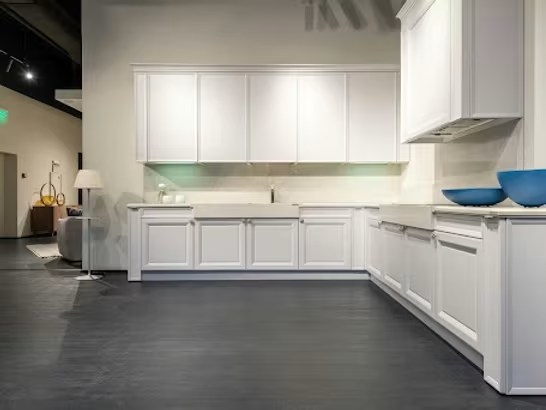
Answering FAQs About Engineered Wood Flooring
Engineered wood flooring offers a compelling blend of natural beauty and practical durability, making it a popular choice for Singaporean homes and commercial spaces. It is crafted from multiple layers, providing enhanced stability and resistance to moisture fluctuations compared to traditional solid wood. This makes it particularly well-suited for our climate. This comprehensive guide addresses common questions about engineered wood, covering its composition, benefits, maintenance, and suitability for various applications.
What is Engineered Wood Flooring?
Engineered wood flooring is a manufactured wood product that consists of a multi-layered core, typically made from plywood or high-density fibreboard (HDF), topped with a real wood veneer. This innovative construction provides superior dimensional stability, reducing the expansion and contraction common with solid wood. The top layer, or ‘wear layer’, is real hardwood, giving it the authentic look and feel of solid timber. Beneath this, the core layers are cross-bonded, which significantly improves the board’s resistance to humidity and temperature changes, a key advantage in Singapore’s tropical environment.
Engineered Wood vs. Solid Wood: A Quick Comparison
Choosing between engineered and solid wood often depends on specific needs and environmental factors. Here is a brief comparison:
| Feature | Engineered Wood Flooring | Solid Wood Flooring |
|---|---|---|
| Composition | Real wood veneer over a multi-layered core (plywood/HDF) | Single piece of solid hardwood |
| Stability in Humidity | Highly stable due to cross-ply construction, less prone to warping | More prone to expansion/contraction, may warp in high humidity |
| Installation | Can be installed floating, glued down, or nailed down | Typically nailed or glued down, requires subfloor preparation |
| Refinishing Potential | Can be sanded 1-3 times depending on veneer thickness | Can be sanded multiple times over its lifetime |
| Cost | Generally less expensive than solid wood | Typically higher initial cost |
| Eco-Friendliness | Uses less slow-growth hardwood per board | Uses more slow-growth hardwood per board |
Industry reports from the Singapore Building and Construction Authority (BCA) often highlight the growing preference for engineered wood in modern constructions due to its resilience and sustainable profile.
Is Engineered Wood Flooring Suitable for Singapore’s Climate?
Yes, engineered wood flooring is highly suitable for Singapore’s tropical climate, characterized by high humidity and consistent temperatures. Its multi-ply construction significantly reduces the natural movement (expansion and contraction) that solid wood experiences with changes in moisture. This makes it far more resilient against warping, cupping, or gapping, which can be common issues for solid wood in humid environments. Many flooring consultants in Singapore recommend engineered wood for its stability and longevity in our local conditions, ensuring your floors remain beautiful for years.
Addressing Humidity Concerns
While engineered wood is more stable, maintaining a stable indoor environment is still advisable for any wood flooring. A study published by the Forest Products Society noted that engineered wood’s cross-laminated layers distribute stress more evenly, making it less susceptible to moisture-induced deformation. For properties without consistent air conditioning, it remains a robust choice compared to solid wood, though proper ventilation is always key. This stability is a significant reason why it is favored for both HDB/BTO flats and commercial spaces.
How Long Does Engineered Wood Flooring Last?
The lifespan of engineered wood flooring typically ranges from 20 to 80 years, depending on the quality of the product, the thickness of its real wood veneer, and proper maintenance. High-quality engineered floors with a thicker wear layer (e.g., 4-6mm) can often be sanded and refinished multiple times, much like solid wood, extending their aesthetic life considerably. Regular cleaning, immediate spill clean-up, and protecting the floor from heavy impacts contribute significantly to its longevity. In our experience, well-maintained engineered floors in Singaporean homes often exceed 30 years of impeccable performance.
Factors Affecting Durability
- Wear Layer Thickness: A thicker veneer allows for more refinishing.
- Quality of Core Material: A stable core resists delamination.
- Installation Quality: Proper installation prevents future issues.
- Maintenance Routine: Regular cleaning and protective measures are crucial.
- Traffic Levels: High traffic areas may show wear sooner.
Can Engineered Wood Flooring Be Refinished or Repaired?
Yes, engineered wood flooring can be refinished, provided its real wood veneer layer is thick enough. Typically, veneers of 2mm or more can be sanded down at least once, while thicker veneers (4-6mm) can withstand multiple refinishes, significantly extending the floor’s aesthetic lifespan. Minor scratches and scuffs can often be spot-repaired with wood fillers or touch-up kits, making it a highly practical choice for busy households or commercial settings. For deeper damage, professional repair or board replacement might be necessary to restore the floor’s pristine condition.
Repairing Scratches and Dents
For minor surface scratches, a wood repair marker or a touch-up pen often suffices. For deeper indentations or gouges, wood putty or filler matched to your flooring color can be used. After the filler dries, light sanding and a clear topcoat can blend the repair seamlessly. For extensive damage, particularly in commercial environments, individual planks can sometimes be replaced without disturbing the entire floor. This modularity is a distinct advantage.
What Are the Best Ways to Clean and Maintain Engineered Wood Floors?
Maintaining engineered wood floors is straightforward and essential for preserving their beauty and lifespan. Regular sweeping or vacuuming with a soft brush attachment is crucial to remove dust and grit, which can scratch the surface. For deeper cleaning, use a slightly damp (not wet) mop with a pH-neutral wood cleaner. Avoid excessive water, harsh chemicals, steam cleaners, or abrasive pads, as these can damage the wood finish and core. Promptly wipe up spills to prevent moisture absorption and staining, ensuring your floors remain in excellent condition.
Maintenance Tips for Longevity
- 1. Regular Cleaning: Sweep or vacuum daily/weekly.
- 2. Damp Mop: Use a well-wrung mop with approved wood floor cleaner.
- 3. Protect from Scratches: Use felt pads under furniture legs and entrance mats at doorways.
- 4. Control Humidity: Maintain stable indoor humidity levels (e.g., with air conditioning).
- 5. Avoid Harsh Products: Steer clear of wax polishes, oil soaps, or abrasive cleaners.
- 6. Professional Cleaning: Consider professional deep cleaning every few years.
As a flooring consultant would advise, proactive maintenance is the simplest way to protect your investment and keep your engineered wood floors looking new for decades.
What are the Pros and Cons of Engineered Wood Flooring?
Understanding the advantages and disadvantages helps in making an informed decision for your home or commercial space. Engineered wood offers significant benefits, particularly in challenging climates like Singapore’s, but also has specific considerations.
Pros of Engineered Wood Flooring
- Enhanced Stability: Less prone to expansion, contraction, and warping in humid conditions compared to solid wood.
- Versatile Installation: Can be installed over various subfloors, including concrete, and is suitable for above or below grade.
- Cost-Effective: Generally more affordable than solid hardwood, offering the look of real wood at a lower price point.
- Sustainable Choice: Uses less precious slow-growth hardwood per plank due to its layered construction.
- Aesthetic Appeal: Features a real wood top layer, providing authentic natural beauty and warmth.
- Suitable for Underfloor Heating: Many engineered wood products are compatible with radiant heating systems.
Cons of Engineered Wood Flooring
- Limited Refinishing: While refinishable, the number of times is limited by the veneer thickness.
- Susceptibility to Water Damage: Not waterproof; prolonged exposure to standing water can cause damage. Consider vinyl flooring for high-moisture areas.
- Scratch Potential: The real wood top layer can scratch and dent, similar to solid wood, especially with high traffic or sharp objects.
- Quality Varies: Quality and durability can vary significantly between manufacturers, emphasizing the need for reputable suppliers like Floorrich.
Is Engineered Wood Flooring Environmentally Friendly?
Engineered wood flooring is often considered a more environmentally friendly option compared to solid hardwood because it uses less slow-growth, precious hardwood. The core layers are typically made from fast-growing, sustainable wood species or recycled materials. This efficient use of resources reduces deforestation and promotes sustainable forestry practices. Furthermore, many manufacturers adhere to certifications like FSC (Forest Stewardship Council) or PEFC (Programme for the Endorsement of Forest Certification), ensuring responsible sourcing. Choosing engineered wood is a step towards a greener home or commercial project.
Sustainable Sourcing and Production
The manufacturing process for engineered wood also typically involves less waste, as smaller pieces of wood can be utilized for the core layers. Leading suppliers prioritize eco-conscious production methods, contributing to healthier indoor air quality by using low-VOC (Volatile Organic Compound) adhesives and finishes. This commitment to sustainability makes engineered wood a compelling choice for environmentally conscious consumers in Singapore, complementing the eco-friendly focus of modern building practices.
Where Can Engineered Wood Flooring Be Installed?
Engineered wood flooring is incredibly versatile and can be installed in almost any room in a home or commercial building, provided there isn’t excessive moisture. It is an excellent choice for living rooms, bedrooms, dining areas, hallways, and offices. Its stability makes it suitable for installation over concrete slabs, which is common in HDBs, condominiums, and commercial properties in Singapore. However, it is generally not recommended for high-moisture areas like bathrooms or areas prone to standing water, such as laundries, where alternatives like waterproof vinyl flooring or wood decking for outdoor use might be more appropriate.
Ideal Locations and Considerations
For ground-floor installations or basements, it’s crucial to ensure proper subfloor moisture barriers are in place. In commercial settings, its durability and aesthetic appeal make it a popular choice for retail spaces, lobbies, and corporate offices, providing a sophisticated and warm ambiance. Our experienced team can provide a detailed consultation to assess your specific installation requirements and recommend the best solutions for your property, ensuring optimal performance and lasting beauty.
Answering FAQs About Engineered Wood Flooring: Your Next Steps
We hope this comprehensive guide has helped in answering FAQs about engineered wood flooring, providing clarity on its benefits, maintenance, and suitability for your needs. Engineered wood presents a durable, stable, and aesthetically pleasing flooring solution perfectly adapted to Singapore’s climate. If you’re considering engineered wood for your home or commercial project, we invite you to explore our wide range of high-quality options. Our team of flooring specialists is ready to provide expert advice and assist you in selecting the ideal flooring that combines beauty, durability, and value for your space. Learn more about our flooring solutions or contact us today to schedule a consultation.