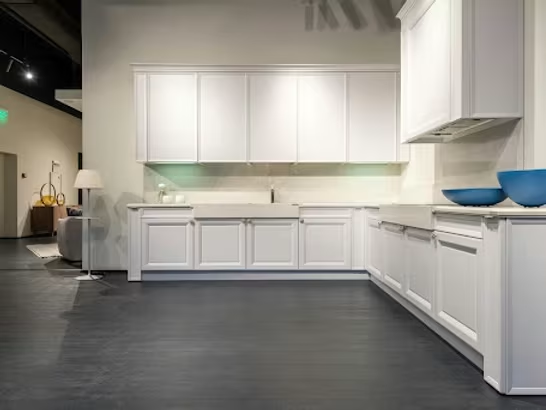
8 Styles of Furniture That Go Well With Wooden Flooring
Wooden flooring offers a timeless and versatile foundation for any home, seamlessly complementing a wide array of furniture styles. Selecting the right furniture can transform your space, enhancing the warmth and natural beauty of your floors. Whether your home features the classic elegance of solid timber flooring or the modern appeal of engineered wood flooring, understanding which furniture aesthetics blend best ensures a cohesive and inviting interior. This guide explores eight distinct furniture styles that perfectly harmonize with the rich character of wooden floors, helping homeowners, including those in HDB or BTO flats, create their ideal living environment.
Understanding Wooden Flooring: A Foundation for Design
Wooden floors are a popular choice in Singaporean homes due to their natural beauty, durability, and ability to evoke warmth. Their inherent versatility allows them to serve as a neutral backdrop or a prominent feature, depending on the wood species, grain, and finish. Light wood tones, like maple or light oak, create an airy, spacious feel, often preferred in smaller HDB flats. Darker woods, such as walnut or wenge, lend a sense of luxury and grounding to larger spaces. The choice of flooring sets the stage for your furniture selections, influencing the overall mood and aesthetic of a room. It is a significant investment for any homeowner, making thoughtful design choices crucial for a harmonious outcome.
Harmonizing Furniture with Your Wooden Floors
Pairing furniture with wooden floors is not about matching exact tones, but rather about creating balance, contrast, and visual interest. Consider the undertones of your wood flooring – warm or cool – and how they interact with furniture materials and colors. Here are eight furniture styles that consistently pair well with the charm of wooden floors:
1. Mid-century Modern
This style, popular from the 1940s to 1960s, features clean lines, organic shapes, and a blend of natural and man-made materials. Think tapered legs, minimalist forms, and functional design. Its inherent warmth and connection to natural materials, like teak or walnut, make it a natural partner for wooden floors. The streamlined silhouettes allow the floor’s grain to stand out, preventing visual clutter. Mid-century pieces often have exposed wood frames, creating a beautiful continuity with the flooring.
2. Scandinavian
Emphasizing simplicity, functionality, and natural light, Scandinavian design uses light wood tones, white, grey, and soft pastel accents. Furniture is often minimalist, with clean lines and exposed light wood. This style amplifies the brightness of light wooden floors and provides a serene contrast to darker ones. Its focus on natural materials and a calm palette ensures a cohesive and airy feel, ideal for making HDB living spaces feel more expansive. Comfort and functionality are key elements.
3. Industrial
Inspired by factories and urban lofts, industrial design showcases raw materials like exposed brick, concrete, and metal. Furniture typically features distressed wood, steel, iron, and reclaimed materials. The rugged, textured appeal of industrial pieces provides a strong contrast to the smooth finish of wooden floors, especially darker or more rustic wood types. This creates an edgy yet grounded aesthetic. The raw authenticity of industrial furniture enhances the natural character of timber, adding depth and narrative to a space.
4. Contemporary
Contemporary style is about the ‘now’, defined by clean lines, smooth surfaces, and a focus on form and function. It often incorporates neutrals like black, white, and grey, with pops of bold color. Contemporary furniture’s sleek, unadorned nature allows wooden floors to act as a textured foundation. The simplicity of contemporary pieces highlights the beauty of the wood, whether it is a rich, dark timber or a light, airy engineered wood. This style offers versatility, adapting to both modern and classic wooden flooring types.
5. Bohemian
Bohemian, or ‘boho’, style is eclectic and free-spirited, drawing inspiration from various cultures and eras. It features layered textiles, natural materials, vibrant patterns, and comfortable, oversized furniture. Wooden floors provide a stable, earthy base for the vibrant and often busy bohemian aesthetic. The natural wood grounds the otherwise whimsical elements, allowing the textures of woven rugs, rattan furniture, and colourful fabrics to truly shine. Darker wood floors can add a rich, exotic touch, while lighter floors keep the look fresh.
6. Coastal
Evoking the relaxed feel of beach houses, coastal design uses light and airy palettes, natural textures, and casual furniture. Think whitewashed wood, wicker, linen, and soft blues and greens. Light wooden floors are a natural fit, enhancing the breezy, open atmosphere. Even darker wood floors can work by providing contrast, reminiscent of driftwood. The simplicity and natural materials of coastal furniture complement the authenticity of wooden flooring, creating a tranquil and inviting retreat.
7. Traditional
Traditional style embraces classic European decor, featuring ornate details, rich wood finishes, and formal arrangements. Furniture is often made from dark, polished woods like mahogany or cherry, with intricate carvings and upholstered fabrics. Dark solid timber flooring provides an ideal, grand backdrop for traditional furniture, enhancing its elegance and sophistication. The deep, warm tones of both the furniture and the floor create a cohesive and luxurious ambiance, perfect for formal living areas or studies.
8. Rustic
Rustic style celebrates raw, natural beauty, often incorporating reclaimed wood, stone, and authentic textures. Furniture is typically sturdy, handcrafted, and intentionally imperfect, showcasing natural knots and grains. Wooden floors, especially those with visible character or wider planks, are inherently suited for rustic interiors. The synergy between the raw, organic feel of rustic furniture and the natural authenticity of wooden floors creates a warm, inviting, and ruggedly charming space. It embraces imperfections as part of the design narrative.
Tips for Perfecting Your Interior Design
Beyond specific furniture styles, certain design principles ensure your wooden floors and furniture complement each other seamlessly.
- Consider Contrast and Complement: You do not need to match your furniture wood tone exactly to your floor. In fact, a slight contrast often creates more visual interest. If you have dark floors, lighter furniture can brighten the space. With light floors, dark furniture can provide grounding.
- Balance Textures: Introduce a variety of textures through rugs, upholstery, and decorative elements. A plush rug can soften the hard surface of wooden floors and define zones in an open-plan HDB layout.
- Play with Scale and Proportion: Ensure furniture pieces are appropriately sized for your room and work well with the expanse of the wooden floor. Overly large furniture in a small room can make it feel cramped, regardless of flooring.
- Utilize Lighting: Good lighting enhances both your flooring and furniture. Natural light highlights the wood grain, while artificial lighting can create ambience and draw attention to specific furniture pieces.
- Color Palettes: Warm wooden floors pair well with warm color palettes in furniture and decor, creating a cosy feel. Cool-toned floors can be balanced with cool furniture colors for a serene, modern look.
Beyond Wood: Complementary Flooring Options
While wooden flooring is highly sought after, other versatile options also offer a fantastic foundation for various furniture styles. For homeowners in Singapore looking for alternatives that offer durability, water resistance, and aesthetic appeal, vinyl flooring, including advanced options like SPC advanced vinyl flooring and SPC plus premium vinyl flooring, presents a compelling choice. These modern flooring solutions mimic the look of wood or other materials, providing flexibility in design. Similarly, laminate flooring offers a cost-effective way to achieve a wood-like appearance with good resistance to wear and tear. The principles of balancing contrast, texture, and scale discussed for wooden floors largely apply to these options too, ensuring cohesive interior design regardless of your chosen floor type.
Expert Insights for Your Home
Choosing furniture that complements your flooring is a critical step in creating a harmonious and functional living space. A well-designed room flows seamlessly, with each element enhancing the others. For homeowners undertaking renovations, particularly for HDB or BTO flats, considering the interplay between flooring and furniture early in the planning stage can save time and resources. Professional guidance can be invaluable for large-scale projects or when specific design challenges arise. They can help you visualize the end result and ensure your selections align with both your aesthetic preferences and practical needs. Ultimately, your home should reflect your personal style, offering comfort and timeless appeal through thoughtful design choices.