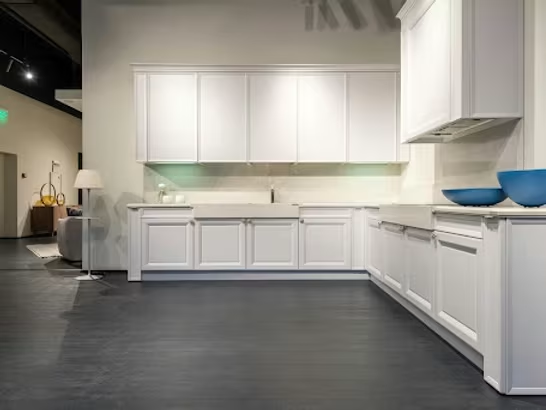
When considering flooring for your home or commercial space, health and well-being are paramount. Bamboo flooring presents itself as a compelling option, offering a unique blend of natural beauty, resilience, and notable health advantages. From promoting better indoor air quality by emitting fewer volatile organic compounds (VOCs) to being a hypoallergenic surface that minimises allergen build-up, bamboo stands out. Its sustainable nature also aligns with a holistic approach to a healthier living environment, making it a thoughtful choice for any Singaporean property owner.
Why Bamboo Flooring Is a Healthy Choice for Your Home
Understanding Bamboo Flooring and Your Health
Many homeowners and commercial decision-makers often ponder, ‘Is bamboo flooring really a healthy option for my family or employees?’ The short answer is yes, when chosen wisely. Unlike some synthetic flooring materials that can release harmful chemicals into the air, quality bamboo flooring is celebrated for its contribution to better indoor air quality. It’s about creating an environment where every breath feels cleaner and safer.
Low VOCs and Indoor Air Quality: A Breath of Fresh Air
One of the most significant health benefits of bamboo flooring relates to its impact on indoor air quality. Volatile Organic Compounds, or VOCs, are gases emitted from certain solids or liquids that can have adverse health effects. Common sources of VOCs in homes include paints, cleaning products, and various building materials, including some types of flooring.
High-quality bamboo flooring, particularly those certified by reputable organisations, typically features very low VOC emissions. This means fewer irritating airborne chemicals. For instance, reputable manufacturers strive to use glues and finishes with minimal or no formaldehyde, a well-known VOC. Choosing a product with certifications like FloorScore or GreenGuard indicates it meets strict indoor air quality standards. This commitment helps reduce the risk of respiratory issues, headaches, and other symptoms associated with poor indoor air quality, making your space a healthier haven.
Hypoallergenic Properties: Less Allergens, More Comfort
For individuals prone to allergies or asthma, flooring choices can significantly impact daily comfort. Unlike carpets, which are notorious for trapping dust mites, pollen, pet dander, and other allergens, bamboo flooring offers a smooth, hard surface. This characteristic prevents allergens from embedding themselves, making regular cleaning highly effective in removing irritants.
A simple sweep, vacuum, or damp mop is usually all it takes to keep bamboo floors free of common household allergens. This ease of maintenance directly translates into fewer triggers for allergic reactions, contributing to a more comfortable and sneeze-free living or working environment.
Sustainable & Eco-Friendly: Good for You, Good for the Planet
While not a direct health benefit for an individual, the environmental sustainability of bamboo flooring contributes to a healthier planet, which in turn supports the long-term well-being of its inhabitants. Bamboo is an incredibly fast-growing grass, maturing in just 3-5 years, compared to traditional hardwoods that can take decades. This rapid renewability makes it a highly sustainable resource, reducing deforestation and its ecological impact.
Choosing sustainable materials like bamboo reduces demand for less eco-friendly alternatives. This supports responsible forestry practices and contributes to a healthier global ecosystem, indirectly benefiting human health by maintaining biodiversity and mitigating climate change.
Durability and Maintenance: A Long-Term Healthy Investment
Bamboo’s natural durability translates into practical health benefits. A robust flooring material means less wear and tear, reducing the generation of fine dust particles that can arise from degrading surfaces. Its resistance to dents and scratches (especially strand-woven bamboo) means the surface remains intact, making it easier to clean thoroughly.
Easy maintenance is another perk. The need for harsh chemical cleaners is significantly reduced, as a simple clean often suffices. Less exposure to strong cleaning agents means fewer respiratory irritants and skin sensitivities for residents or maintenance staff, fostering a healthier immediate environment. This long lifespan also means fewer replacements, saving resources and reducing landfill waste over time.
Potential Considerations with Bamboo Flooring
While bamboo flooring offers many health advantages, it’s important to be an informed consumer. Not all bamboo products are created equal.
- Adhesives and Finishes: The glues used to press bamboo strips together and the finishes applied to the surface can contain VOCs. Always inquire about the type of adhesive and finish used and look for low-VOC or no-VOC certifications.
- Sourcing and Manufacturing: The origin and manufacturing processes matter. Responsibly sourced bamboo from reputable manufacturers often adheres to stricter environmental and health standards.
- Moisture Sensitivity: Like wood, bamboo can be sensitive to extreme humidity changes. In Singapore’s climate, ensuring proper installation and humidity control is crucial to prevent warping and maintain the floor’s integrity, thus preventing potential areas for mould growth.
Making the Right Choice: Expert Insights for Your Home
As a flooring consultant would advise, selecting the right bamboo flooring involves more than just aesthetics. For homeowners, HDB/BTO residents, or commercial decision-makers in Singapore, here are some key insights:
‘When evaluating bamboo flooring options, always prioritise products from manufacturers transparent about their materials and certifications. Look for low-VOC adhesives and finishes, which are vital for maintaining good indoor air quality, especially in enclosed spaces common in urban Singapore. Consider strand-woven bamboo for high-traffic areas due to its enhanced durability. Proper acclimatisation before installation is essential, particularly given Singapore’s humidity, to ensure the flooring’s long-term stability and performance. Investing in quality ensures not only a beautiful floor but also a healthier living or working environment for years to come.’
Frequently Asked Questions About Healthy Flooring
Is bamboo flooring safe for children and pets?
Yes, high-quality bamboo flooring is generally considered safe for children and pets. Its low VOC emissions contribute to better air quality, crucial for developing respiratory systems and sensitive pets. The hard, smooth surface also makes it easy to clean up spills and accidents, preventing the growth of bacteria and mould often associated with carpet.
How does bamboo compare to vinyl flooring in terms of health?
Both bamboo and certain types of vinyl flooring can be low-VOC options. However, traditional vinyl can sometimes contain phthalates, which are plasticisers that have raised health concerns. Newer generations of luxury vinyl planks (LVP) and luxury vinyl tiles (LVT) are often phthalate-free and certified for low emissions. Bamboo, being a natural material, typically appeals more to those seeking a ‘greener’ and more inherently natural option. The key for both is to choose certified products from reputable brands.
Can bamboo flooring contribute to a mould-free home?
Bamboo itself is not inherently mould-resistant; mould grows in the presence of moisture. However, its solid, non-porous surface, unlike carpet, does not trap moisture or provide a hospitable environment for mould growth when properly installed and maintained. By addressing any leaks or excessive humidity, and cleaning regularly, bamboo flooring helps to create a drier, less mould-prone indoor environment.
Choosing bamboo flooring offers a compelling blend of style, durability, and significant health benefits. By selecting high-quality products from reputable suppliers, you invest not just in a beautiful floor, but in a healthier, more sustainable environment for everyone within your space.