The colours surrounding us have a profound impact on our psyche, influencing mood, perception, and even productivity. This principle extends directly to our living and working spaces, making flooring colour a critical design decision. When considering new floors for your Singapore home or commercial property, understanding The Psychology of Flooring: How Colours Impact Your Mood can transform a simple installation into a curated environment. From making a compact HDB flat feel expansive to creating a focused office atmosphere, the right hue underfoot is more than just an aesthetic choice; it is a fundamental element in shaping the emotional landscape of any interior.
The Science Behind Colour and Emotion
Our brains are wired to react to colours. Different wavelengths of light stimulate distinct emotional and physiological responses. For instance, warm colours often evoke feelings of energy or comfort, while cool colours tend to promote calm and serenity. This isn’t merely anecdotal; colour psychology is a recognised field, demonstrating how our visual environment subtly, yet powerfully, directs our emotional state and behaviour. When applied to flooring, these principles can guide choices that truly resonate with the desired atmosphere of a space.
Light vs. Dark Flooring: Mastering Space Perception
One of the most common dilemmas in flooring is choosing between light and dark shades. Each has a distinct effect on how a room feels in terms of size and openness.
- Light-Coloured Flooring: Hues like pale greys, whites, or light wood tones reflect more light, making a room feel more open, airy, and spacious. This is particularly beneficial for smaller spaces, such as HDB or BTO flats, where maximising the sense of space is key. Light floors can also create a clean, contemporary aesthetic.
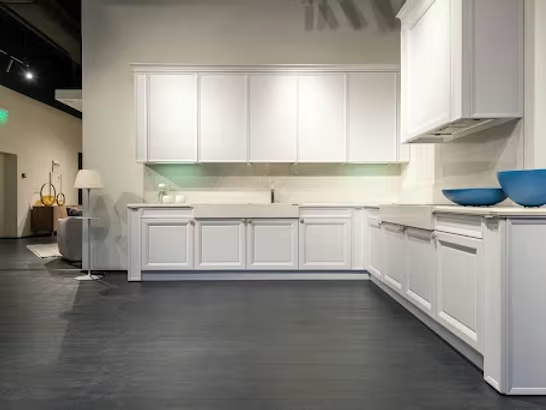
- Dark-Coloured Flooring: Shades like deep browns, charcoal greys, or rich wood tones absorb light, making a room feel cozier, more intimate, and sophisticated. While they can make a large room feel more grounded, they might make a small room appear even smaller or somewhat enclosed. Dark floors often lend themselves to a luxurious or dramatic interior design.
Colour Palette Breakdown: Mood by Hue
Warm Colours: Energy and Comfort
Warm colours on your floor, such as rich browns, golden oak, or reddish tones, instantly infuse a space with a sense of warmth and inviting energy. They can make a large, open-plan area feel more welcoming and cozy.
These shades are ideal for living rooms or dining areas where social interaction and comfort are priorities. However, in extremely small spaces, too much warmth can sometimes feel overwhelming or make the room appear smaller.
Cool Colours: Calm and Serenity
Flooring in cool shades like light greys, blues, or muted greens promotes a sense of calm, tranquility, and spaciousness. These colours are excellent for creating a serene retreat, making them popular choices for bedrooms or studies where a peaceful atmosphere is desired.
For commercial settings like clinics or spas, cool-toned flooring can help create a soothing environment. While cool colours can expand a room visually, care must be taken to ensure the space doesn’t feel sterile or too cold; balancing with warm accents is often advised.
Neutral Colours: Versatility and Sophistication
Neutrals, including various shades of beige, grey, and natural wood tones, are incredibly versatile. They provide a stable and balanced foundation that allows furniture, artwork, and decor to truly shine.
From a design perspective, neutral flooring offers timeless appeal and flexibility, adapting easily to changing trends or personal preferences. They are a safe yet sophisticated choice for almost any room, whether residential or commercial. While sometimes perceived as ‘safe’, the right neutral can be the epitome of understated elegance, especially when paired with varying textures.
Flooring Colour Choices for Specific Spaces
Residential Spaces (HDB/BTO, Homes)
For Singapore homes, particularly HDB and BTO flats, practical considerations often intertwine with aesthetic desires. Light to medium neutral colours are frequently recommended for residential flooring. They offer versatility, make spaces feel larger, and are forgiving when it comes to everyday wear.
For example, a light grey or natural wood-look vinyl flooring can brighten up a compact living room, while a slightly warmer tone in the bedroom can enhance comfort. The key is to consider natural light levels; a north-facing room might benefit more from warm undertones, while a bright, south-facing room can comfortably handle cooler shades.
Commercial Spaces
In commercial environments, flooring colour plays a significant role in influencing client perception and employee productivity. For offices, neutral colours like medium greys or subdued browns can foster focus and professionalism, reducing visual distraction.
Retail spaces might opt for warmer, inviting tones to encourage lingering, or a vibrant accent colour to highlight specific zones. For high-traffic areas or outdoor applications, such as cafes with al fresco dining, the durable and attractive tones of wood decking can create a welcoming and robust environment. Durability and maintenance are also key considerations, making some colour choices more practical for commercial flooring than others.
Expert Insights: Making the Right Choice
Choosing the perfect flooring colour extends beyond personal preference. Our experience shows that considering the existing decor, wall colours, and natural light is crucial. A flooring expert would advise getting samples and viewing them in your space at different times of the day to see how the light changes their appearance.
Also, think about the long-term. Flooring is a significant investment, and timeless neutral shades often provide the most enduring appeal, allowing you to easily update your decor with paint and furnishings. Don’t be afraid to experiment with different shades of the same colour, as undertones can make a big difference in the final look and feel of a room.
Factors Beyond Colour: Texture and Material
While colour is paramount, the texture and material of your flooring also contribute significantly to the overall psychological impact of a space. For example, the natural grain of wood decking evokes a sense of organic warmth and connection to nature, even if the colour is neutral.
Conversely, the smooth finish of certain vinyl flooring can project a clean, modern, and expansive feel. Matte finishes absorb more light, creating a softer, more subtle appearance, while glossier finishes reflect light, enhancing brightness and giving a more polished look. These tactile and visual elements work hand-in-hand with colour to shape the mood and perception of your environment, creating a holistic design.