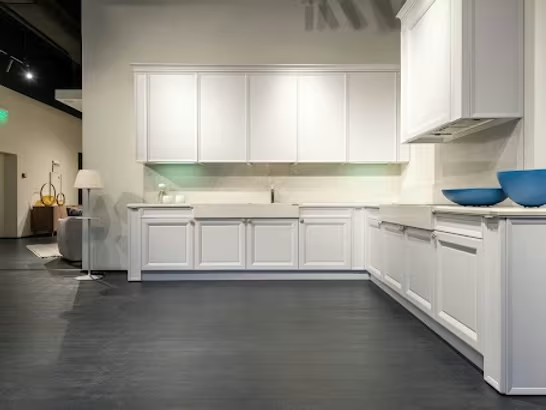
Planning for new home flooring involves more than just picking a colour; it requires a strategic approach to budgeting. Understanding the various factors that influence flooring costs, from material selection to installation complexities, is crucial for both homeowners and commercial decision-makers. This guide helps you navigate the financial aspects of your flooring project, ensuring you make informed choices that align with your aesthetic vision and financial parameters. Many wonder how much they should set aside for flooring or which options offer the best value. We will explore these questions, providing insights to help you achieve your desired outcome without unexpected expenses.
Understanding Flooring Costs: What Impacts Your Budget?
Several key elements contribute to the overall cost of your new flooring. Recognizing these components helps you create a realistic and comprehensive budget.
Material Type and Quality
The choice of flooring material is arguably the biggest cost driver. Options range from the more laminate flooring and vinyl flooring to premium selections like engineered wood flooring or solid timber flooring. Within each category, quality variations also exist. Higher-grade materials typically offer enhanced durability, aesthetic appeal, and longevity, which reflects in their price.
Installation Complexity
Some flooring types are simpler and quicker to install, while others demand specialized skills and more time. For instance, intricate patterns, specific subfloor requirements, or extensive preparation can significantly increase labor costs. Consider the layout of your space too; rooms with many corners or unusual shapes will often require more precise cuts and therefore more time.
Room Size and Layout
It’s straightforward: larger areas require more material and more installation time. However, the layout also matters. A simple, rectangular room is generally more cost-effective to floor than a room with multiple alcoves, curved walls, or numerous obstacles, as these complexities add to both material waste and labor.
Subfloor Preparation
Often an overlooked but critical expense is subfloor preparation. An uneven, damaged, or moist subfloor needs proper treatment before new flooring can be laid. This might involve levelling compounds, repairs, or moisture barriers, all of which add to the total project cost. Skipping this step can lead to significant issues and costly repairs later.
Popular Flooring Options and Their Cost Implications
Exploring various flooring types helps you balance aesthetics, durability, and budget.
Vinyl Flooring
Modern vinyl flooring offers excellent versatility, mimicking natural materials like wood or stone. It’s known for being water-resistant and durable, making it a popular choice for high-traffic areas and wet zones. Advanced options like SPC flooring, including FirmaSPC Plus, provide enhanced stability and rigidity due to their stone plastic composite core.
- Pros: Water-resistant, wide range of designs, relatively easy to maintain.
- Cons: Can be susceptible to dents from heavy objects, lower resale value compared to natural wood.
Engineered Wood Flooring
Engineered wood flooring provides the authentic look and feel of real wood at a potentially lower cost than solid timber. Its layered construction makes it more stable and less prone to expansion and contraction, suitable for Singapore’s humid climate. The top veneer is real wood, offering genuine appeal.
- Pros: Real wood aesthetic, good stability, can be refinished a few times depending on wear layer thickness.
- Cons: Can be more expensive than synthetic options, sensitive to moisture if not properly sealed.
Solid Timber Flooring
For timeless elegance and unmatched durability, solid timber flooring stands out. Each plank is solid wood, offering exceptional longevity and the ability to be sanded and refinished multiple times. This makes it a significant long-term investment that adds substantial value to a property.
- Pros: Extremely durable, can be refinished many times, increases property value, natural beauty.
- Cons: Higher upfront cost, prone to expansion/contraction with humidity changes, requires more specialized installation.
Laminate Flooring
Laminate flooring is a cost-effective alternative that replicates the look of wood or stone using a photographic layer protected by a clear wear layer. It’s known for its scratch resistance and ease of cleaning, making it a practical option for active households.
- Pros: Budget-friendly, durable wear layer, easy to clean, simple installation.
- Cons: Not waterproof (only water-resistant), cannot be refinished, can sound hollow underfoot.
Composite Decking
While primarily for outdoor use, composite decking is relevant for balconies, patios, or pool decks, extending the ‘home flooring’ concept to outdoor living spaces. It offers a durable, low-maintenance alternative to natural wood decking, resisting rot, insects, and splintering.
- Pros: Low maintenance, highly durable against outdoor elements, eco-friendly options available.
- Cons: Higher upfront cost than some natural wood decks, can get hot in direct sunlight, limited natural wood feel.
Here’s a quick comparison of common indoor flooring types:
| Flooring Type | Relative Cost | Durability | Maintenance |
|---|---|---|---|
| Laminate | Lowest | Good (wear layer) | Low |
| Vinyl (FirmaVinyl/SPC) | Low to Mid | Very Good (water, wear) | Low |
| Engineered Wood | Mid to High | Good (stable, real wood) | Moderate |
| Solid Timber | Highest | Excellent (refinishable) | Moderate to High |
Smart Budgeting Strategies for Your Flooring Project
Effective planning goes a long way in managing your flooring budget.
Getting Multiple Quotes
Always obtain detailed quotes from several reputable flooring suppliers and installers. This allows you to compare prices for materials, labor, and additional services like subfloor preparation or old flooring removal. Don’t just look at the bottom line; understand what each quote includes.
Phased Installation
For larger homes or projects with budget constraints, consider installing flooring in phases. Start with high-priority areas like living rooms or bedrooms, then move to other spaces as your budget allows. This approach spreads out the financial commitment over time.
DIY vs. Professional Installation
While DIY might seem like a cost-saving measure, consider the complexity of the chosen material and your skill level. Mistakes in installation can lead to costly material waste and future repairs. For most flooring types, particularly solid timber or complex patterns, professional installation ensures longevity and warranty validity.
Factoring in Contingency
A smart budget always includes a contingency fund, typically 10-15% of the total project cost. This covers unexpected issues like extensive subfloor repairs, additional materials needed due to cuts, or unforeseen installation challenges. This buffer prevents budget overruns and reduces stress.
Expert Insights: Making Informed Decisions
When selecting flooring, consider not just the upfront cost but also the long-term implications. A common oversight is neglecting ongoing maintenance costs. Some materials require specific cleaning products or periodic treatments, while others are truly low-maintenance. Assess your lifestyle; a busy household with pets and children might benefit more from highly durable, water-resistant options like SPC vinyl, even if the initial investment is slightly higher. For those seeking timeless value and an authentic feel, investing in real wood can be a rewarding choice, as it significantly enhances property value over time and offers the flexibility of refinishing. The true cost of flooring extends beyond purchase price; it includes installation, maintenance, and its lifespan.
Final Considerations
Your flooring choice is a significant investment in your home’s comfort, aesthetics, and value. By meticulously planning your budget, understanding cost drivers, and exploring suitable material options, you can make a decision that you’ll appreciate for years to come. Remember to prioritize durability and functionality alongside style, ensuring your new floors stand the test of time and suit your unique needs.