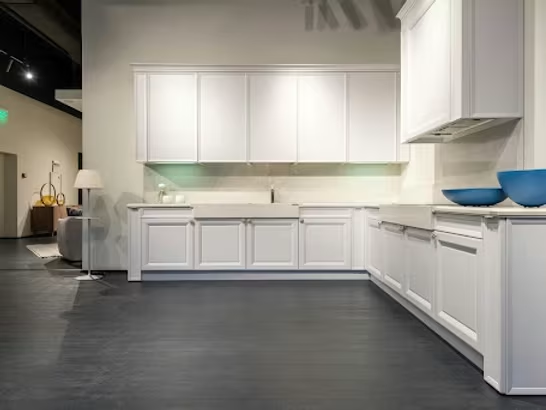
Building an eco-friendly home is a growing priority for many Singaporean homeowners and commercial developers. The choices we make for our living and working spaces significantly impact our planet and personal well-being. When it comes to flooring, selecting materials with the right qualities can contribute immensely to a healthier indoor environment and a reduced ecological footprint. Understanding what makes a floor truly ‘green’ involves looking beyond just the material itself, considering its entire lifecycle from production to disposal.
Flooring Qualities for an Eco-Friendly Home
Choosing eco-friendly flooring involves selecting materials that minimise environmental impact throughout their lifecycle, from manufacturing to disposal. Key qualities include durability, low Volatile Organic Compound (VOC) emissions, use of recycled or rapidly renewable resources, responsible sourcing, and recyclability. Such flooring contributes to better indoor air quality by reducing harmful chemicals, supports sustainable forestry or manufacturing practices, and lessens landfill waste. For homeowners and commercial spaces alike, prioritising these attributes means investing in a healthier environment and a sustainable future.
Understanding Eco-Friendly Flooring: What Makes It Green?
Many people ask, ‘What truly makes a flooring option eco-friendly?’ It is more than just a single attribute; it is a combination of factors. A truly sustainable floor minimises negative impacts on the environment at every stage. This holistic view ensures that your choice supports both planetary health and your family’s or employees’ well-being.
Key Qualities of Sustainable Flooring Materials
When assessing flooring options, consider these essential characteristics:
- Durability and Longevity: A long-lasting floor reduces the need for frequent replacement, which in turn reduces waste and resource consumption. A durable floor can withstand years of foot traffic, making it a sustainable choice for high-traffic areas in homes or commercial settings.
- Low VOC Emissions: Volatile Organic Compounds (VOCs) are chemicals released into the air from various building materials, including some flooring. High VOC levels can negatively impact indoor air quality and human health. Look for certifications like FloorScore or Singapore Green Label, which indicate low VOC emissions.
- Recycled Content or Rapidly Renewable Resources: Flooring made from recycled materials (like post-consumer plastic or reclaimed wood) lessens the demand for virgin resources. Materials from rapidly renewable sources, such as bamboo or cork, replenish quickly, making them a more sustainable alternative to slow-growing resources.
- Responsible Sourcing and Manufacturing: For wood products, certifications like Forest Stewardship Council (FSC) ensure the timber comes from sustainably managed forests. For other materials, understanding the manufacturer’s production processes, energy consumption, and waste management practices is important.
- End-of-Life Options: Can the flooring be recycled, reused, or safely biodegraded at the end of its life? Flooring that can be diverted from landfills contributes to a circular economy.
Popular Eco-Friendly Flooring Options for Singapore Homes and Commercial Spaces
At Floorrich, we understand the demand for sustainable yet high-performing flooring solutions. Two excellent choices that fit many eco-friendly criteria are high quality vinyl flooring and wood decking.
Vinyl Flooring: A Sustainable Choice?
‘Is vinyl flooring eco-friendly?’ This is a common question, and the answer is nuanced. Modern vinyl flooring has evolved significantly.
Pros of Vinyl Flooring for Eco-Friendly Homes:
- Durability: High quality vinyl flooring is incredibly durable and can last for decades, reducing replacement frequency.
- Low Maintenance: Its ease of cleaning reduces the need for harsh chemicals, contributing to better indoor air quality.
- Recyclability: Many modern vinyl products are now recyclable, and some even contain recycled content, promoting a circular economy.
- Low VOC: Reputable manufacturers produce vinyl flooring with very low VOC emissions, often certified by FloorScore or similar programs, making them safe for homes and commercial spaces.
- Water Resistance: Ideal for Singapore’s humid climate, protecting subfloors from moisture damage.
Cons of Vinyl Flooring:
- Not all vinyl is created equal; ensure you choose high quality, certified products.
- Derived from petroleum, a non-renewable resource, though recycling initiatives are improving.
Wood Decking: Natural Beauty with Sustainable Sourcing
Wood decking, especially for outdoor spaces, can be an excellent eco-friendly choice when sourced responsibly.
Pros of Wood Decking for Eco-Friendly Homes:
- Renewable Resource: Wood is a natural, renewable resource, unlike synthetic materials.
- Carbon Sequestration: Trees absorb carbon dioxide, storing it even after being harvested for timber.
- Biodegradable: At the end of its life, wood naturally decomposes, returning to the earth.
- Durability (with proper care): High quality wood decking, like solid wood decking or engineered wood decking, can last for many years with appropriate maintenance, preventing early replacement.
- Aesthetic Appeal: Provides a warm, natural look that enhances any property.
Cons of Wood Decking:
- Requires regular maintenance (sealing, cleaning) to ensure longevity.
- Sourcing is critical; always look for FSC-certified wood to ensure sustainable forestry.
Making the Right Flooring Choice: Expert Insights
From an industry perspective, choosing eco-friendly flooring is about balancing environmental responsibility with practical needs. A flooring consultant would advise clients to consider not just the material itself, but also its intended use, the expected foot traffic, and the specific environmental certifications. For example, a busy commercial space might prioritise highly durable, low VOC vinyl, while a residential balcony might benefit from sustainably sourced wood decking.
Here’s a quick comparison:
| Feature | High Quality Vinyl Flooring | Wood Decking |
|---|---|---|
| Primary Material | PVC (often with recycled content) | Natural Wood (e.g., Composite wood or natural wood) |
| Renewability | Improving with recycling programs | Renewable (if sustainably sourced) |
| VOC Emissions | Low (with certification like FloorScore) | Generally low (can vary by finish) |
| Durability | Excellent | Excellent (with maintenance) |
| Water Resistance | High | Good (especially composite wood or tropical hardwoods) |
| Ideal Use | Homes, offices, retail (indoor) | Outdoor patios, balconies, pool decks |
The Long-Term Benefits of Eco-Friendly Flooring
Investing in eco-friendly flooring extends beyond immediate environmental impact. It offers substantial long-term benefits for homeowners and commercial decision-makers:
- Improved Indoor Air Quality: Low VOC flooring significantly reduces the risk of respiratory issues and allergies, creating a healthier living or working environment.
- Reduced Ecological Footprint: By choosing sustainable materials, you contribute to conserving natural resources, reducing landfill waste, and lowering greenhouse gas emissions associated with manufacturing.
- Cost-Effectiveness Over Time: Durable, high quality eco-friendly flooring lasts longer, requiring fewer replacements and less maintenance, leading to savings in the long run.
- Enhanced Property Value: Homes and commercial properties with sustainable features are increasingly attractive to buyers and tenants, potentially increasing market value.
Choosing flooring that aligns with eco-friendly principles is a smart decision for both your space and the planet. By focusing on durability, low emissions, responsible sourcing, and recyclability, you create an environment that is healthy, beautiful, and sustainable for years to come. Explore our range of high quality vinyl flooring and wood decking options to find the perfect eco-conscious solution for your next project, whether it is for a HDB flat, BTO apartment, or a new commercial development.