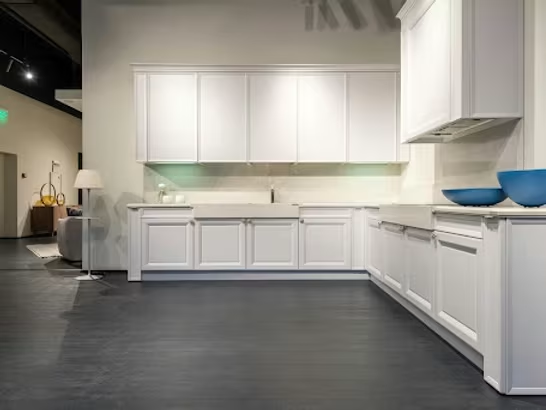
Welcome to the exciting intersection of sustainable design and modern living. As homeowners and commercial decision-makers in Singapore increasingly look for smart, eco-friendly solutions, the combination of high-quality bamboo flooring and intelligent home features presents a compelling option. This integration offers enhanced comfort, superior energy efficiency, and unparalleled convenience, allowing your flooring to not just look beautiful but also interact seamlessly with your lifestyle. From precise climate control to automated cleaning, understanding this synergy unlocks a new level of home management, ensuring your space is both stunning and smartly run.
Combining Bamboo Flooring Installation with Smart Home Features
The Rise of Smart Homes in Singapore
Singapore’s embrace of smart home technology continues to grow, particularly among homeowners in HDB flats and BTO projects, as well as forward-thinking commercial entities. Smart devices offer practical solutions for managing our busy lives, from automated lighting and security to climate control and integrated entertainment systems. The convenience and energy savings these systems provide are becoming indispensable, transforming our living and working environments into more efficient and responsive spaces. Many are asking: ‘What smart home features are most popular in Singapore?’ and ‘Is smart home worth it for an HDB?’ The answer often lies in how well these technologies integrate with the foundational elements of a home, like its flooring.
Why Choose Bamboo Flooring?
Bamboo flooring stands out as a remarkable choice for modern interiors. Celebrated for its rapid renewability, bamboo is an exceptionally sustainable material, making it an eco-conscious alternative to traditional hardwoods. Its distinctive grain patterns and warm hues add a natural elegance to any room. Beyond aesthetics, bamboo boasts impressive durability; its Janka hardness rating, often ranging from 1,300 to 1,500 pounds-force, indicates a resilience that surpasses many conventional wood species. This makes it an excellent option for high-traffic areas in both residential and commercial settings.
- Pros of Bamboo Flooring:
- Eco-friendly and highly renewable.
- Strong and durable, resistant to dents and scratches.
- Aesthetically versatile, with natural beauty.
- Resistant to allergens and pests.
- Cons of Bamboo Flooring:
- Sensitive to extreme humidity fluctuations.
- Can scratch if not properly maintained.
- Quality varies significantly between manufacturers.
Seamless Integration: Smart Home Features and Bamboo Flooring
Humidity and Temperature Control: A Smart Necessity
Bamboo flooring, like all natural wood products, is sensitive to environmental conditions. Maintaining relative humidity between 35% to 55% is crucial for preserving engineered wood and bamboo flooring in Singapore’s tropical climate. Fluctuations outside this range can lead to expansion, contraction, gapping, or even warping. This is where smart home technology truly shines. Smart thermostats (like those from Ecobee or Nest) and integrated humidifiers/dehumidifiers can constantly monitor and adjust indoor climate levels. You might wonder, ‘Does bamboo flooring swell with humidity?’ or ‘How to protect wood floors from humidity?’ Expert insights suggest these systems actively prevent damage by ensuring the ideal environment for your flooring.
As a flooring consultant, we consistently advise clients on maintaining optimal indoor climates, particularly for natural materials like bamboo. Smart systems make this effortless, providing real-time data and automated adjustments, safeguarding your investment long term. You can learn more about protecting your investment on our Flooring Maintenance Tips page.
Smart Cleaning Solutions: Robot Vacuums and Mops
The daily grind of cleaning is significantly eased by smart robot vacuums and mops, which are largely compatible with bamboo flooring. Popular models like Roomba or Roborock effectively collect dust and debris, preventing abrasive particles from scratching the surface. When considering robot mops, ensure they use minimal moisture, as excessive water can damage bamboo. Many ask, ‘Is Roomba safe for bamboo floors?’ or ‘Can I use a robot mop on bamboo?’ The answer is generally yes, provided you select models designed for hard surfaces and manage their water usage carefully.
Smart Lighting and Ambiance
While not directly interacting with the flooring’s physical state, smart lighting systems (e.g., Philips Hue, Xiaomi Smart Lighting) can enhance the aesthetic appeal of your bamboo floors. Adjustable brightness and color temperatures can highlight the natural grain and warmth of the bamboo, creating various ambiances. You can program scenes that complement different times of day or activities, subtly showcasing the beauty of your flooring and contributing to the overall design cohesion of your smart home.
Smart Security and Monitoring
Beyond traditional security, smart home systems offer indirect benefits for your flooring. Leak detection sensors, often integrated into comprehensive security setups, can immediately alert you to plumbing failures or appliance leaks. This rapid notification is invaluable for preventing severe water damage to bamboo floors, which can be costly to repair. Consider smart sensors near water sources like kitchens and bathrooms. This proactive monitoring ensures peace of mind and adds another layer of protection for your significant investment in flooring.
Key Considerations for Installation
Professional Installation is Paramount
The success of combining bamboo flooring with smart home features begins with impeccable installation. Proper subfloor preparation, meticulous acclimation of the bamboo planks to Singapore’s climate, and precise installation techniques are non-negotiable. An improperly installed floor can lead to issues regardless of how sophisticated your smart home system is. Our experience shows that meticulous installation is the foundation for both the flooring’s longevity and its seamless interaction with any smart system. For professional services, explore our Flooring Installation Services.
Wiring and Connectivity Planning
Before any flooring work begins, consider the infrastructure needed for your smart home devices. Ensure you have adequate power outlets in strategic locations and robust Wi-Fi coverage throughout your home. A strong, stable network is essential for smart devices to communicate effectively and provide their intended benefits. Planning this during the initial design phase avoids unsightly wires and ensures optimal performance.
Compatibility Checks
Not all smart devices ‘speak the same language.’ Before purchasing, verify the compatibility of your chosen smart home ecosystem (e.g., Apple HomeKit, Google Home, Amazon Alexa) with the specific devices you intend to use. Ensuring seamless communication between your smart thermostat, dehumidifier, and other sensors is crucial for effective environmental control that protects your bamboo flooring.
Maintaining Your Bamboo Flooring in a Smart Home
A smart home simplifies bamboo flooring maintenance. Regular cleaning with appropriate methods is essential; use soft-bristle brooms or a compatible robot vacuum. For spills, immediate cleanup is key. Crucially, regularly monitor the humidity levels displayed on your smart home app. If the system alerts you to levels outside the recommended range, confirm your smart humidifier/dehumidifier is functioning correctly. This proactive approach, guided by your smart home system, significantly extends the life and beauty of your bamboo flooring.
Is Bamboo Flooring and Smart Home Integration Right for You?
The decision to integrate bamboo flooring with smart home technology depends on your priorities for sustainability, convenience, and long-term value. This combination offers a sophisticated solution for modern living, providing both aesthetic appeal and advanced functionality. Here’s a brief overview:
| Aspect | Consideration for Bamboo & Smart Home |
|---|---|
| Sustainability | Highly renewable bamboo pairs with energy-efficient smart tech for an eco-conscious home. |
| Maintenance | Smart cleaning and climate control simplify the care and longevity of your flooring. |
| Initial Cost | An investment in quality flooring and smart devices, offering long-term returns. |
| Longevity | Proper care, proactively managed by smart systems, significantly extends bamboo’s lifespan. |
| Comfort & Convenience | Automated climate control and cleaning enhance daily living. |
For those seeking a durable, beautiful, and environmentally responsible flooring option, paired with the efficiency and control of cutting-edge technology, bamboo flooring in a smart home setting is an excellent choice. It offers a holistic approach to home management that benefits both your lifestyle and your investment.
Frequently Asked Questions (FAQ)
- What is the ideal humidity for bamboo flooring in Singapore?
Maintaining relative humidity between 35% and 55% is ideal for bamboo flooring in Singapore’s tropical climate. Smart humidifiers and dehumidifiers can help achieve this balance. - Can smart cleaning robots damage bamboo floors?
Most robot vacuums are safe for bamboo floors. For robot mops, ensure they use minimal moisture settings or are specifically designed for wood floors to prevent water damage. - How do smart thermostats help protect my bamboo floors?
Smart thermostats, often paired with smart humidifiers/dehumidifiers, monitor and regulate the indoor climate, preventing the extreme temperature and humidity swings that can cause bamboo flooring to expand, contract, or warp. - Is professional installation necessary for bamboo flooring with smart home integration?
Yes, professional installation is crucial. Proper subfloor preparation, acclimation, and precise fitting ensure the floor’s stability and longevity, which indirectly supports the effectiveness of your smart home’s environmental controls.