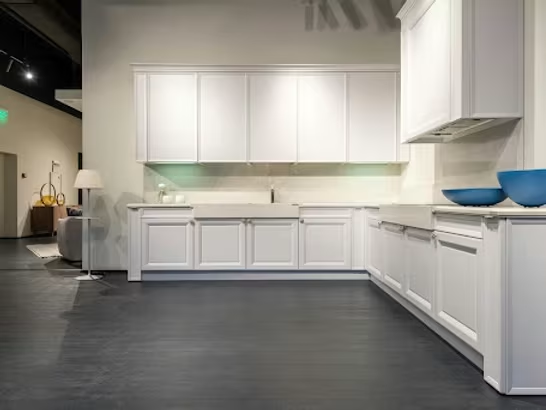
Choosing the right flooring for your HDB flat is a pivotal decision, impacting not just the aesthetics but also the comfort, durability, and maintenance of your home. Singapore’s climate, coupled with the unique needs of HDB living, makes selecting the ideal floor type a crucial step in any renovation journey. This guide delves into the Common Types of HDB Flooring in Singapore, providing insights into popular options like vinyl, wood, and tiles, along with practical advice to help homeowners, including HDB and BTO residents, make an informed choice that suits their lifestyle and budget.
Common Types of HDB Flooring in Singapore
When embarking on an HDB renovation, one of the most significant decisions homeowners face is selecting the right flooring. The choice affects everything from daily comfort to long-term maintenance. In Singapore’s climate, factors like humidity, durability, and ease of cleaning become paramount. Let’s explore the common types of HDB flooring available, weighing their pros and cons to help you make the best decision for your home.
Understanding Your Flooring Options: A Detailed Look
Singaporean homeowners have a diverse range of flooring materials to consider, each with its own characteristics. From budget-friendly choices to premium solutions, understanding what each offers is key.
Vinyl Flooring: The Modern Favourite
Vinyl flooring has seen a surge in popularity, especially in HDBs and BTOs, and for good reason. It offers an excellent balance of durability, aesthetic versatility, and cost-effectiveness. Modern vinyl comes in various forms, including Luxury Vinyl Tiles (LVT) and Vinyl Planks, mimicking the look of wood, stone, or even concrete with remarkable realism.
One common query among homeowners is, ‘Is vinyl flooring good for HDB?’ The answer is a resounding yes. Its waterproof properties make it ideal for areas prone to spills, while its resilience handles daily wear and tear well.
Pros of Vinyl Flooring
- Highly durable and resistant to scratches, dents, and moisture.
- Waterproof, making it suitable for kitchens and even bathrooms (check product specifics).
- Wide range of designs, colours, and textures, including realistic wood and stone patterns.
- Comfortable underfoot and relatively quiet.
- Easy to clean and maintain, requiring simple sweeping and mopping.
- More affordable than real wood or premium tiles.
- Quick and straightforward installation process.
Cons of Vinyl Flooring
- Can be susceptible to fading with prolonged direct sunlight exposure.
- Not as resistant to heavy impacts from sharp objects.
- Difficult to repair if a specific plank is severely damaged.
- Subfloor preparation is crucial for a smooth finish.
As a flooring consultant, I often recommend high-quality vinyl flooring for its ability to withstand the rigours of HDB living, particularly for families with children or pets. Its low maintenance makes it a practical choice for busy households.
Wood Flooring: Timeless Elegance
For those seeking warmth and classic appeal, wood flooring remains a top choice. While solid timber flooring might be less common in HDBs due to cost and maintenance, engineered wood flooring offers a stable and beautiful alternative. It consists of a real wood veneer atop multiple layers of plywood, providing stability against Singapore’s humidity.
You might wonder, ‘Is wood flooring suitable for Singapore’s climate?’ Engineered wood is generally designed to perform better in humid environments than solid wood due to its layered construction. For outdoor areas like HDB balconies, wood decking provides a natural, inviting extension of your living space.
Pros of Wood Flooring (Engineered Wood)
- Authentic natural wood aesthetics and warmth.
- Adds significant resale value to your home.
- Durable and can be refinished multiple times.
- Comfortable and quiet underfoot.
Cons of Wood Flooring (Engineered Wood)
- More susceptible to scratches and dents than vinyl.
- Can be affected by excessive moisture and humidity if not properly maintained.
- Generally more expensive than vinyl or laminate.
- Requires specific cleaning products and care.
An expert tip: If you opt for wood flooring, ensure proper acclimatisation before installation and use appropriate cleaning solutions. Regular maintenance, such as prompt spill clean-up and avoiding excessive moisture, is key to its longevity in Singapore’s climate.
Tiles: The Durable Standard
Ceramic and porcelain tiles are staples in HDBs, particularly in kitchens, bathrooms, and service yards, but also common throughout living areas. They are celebrated for their durability, water resistance, and wide range of designs.
A common question is, ‘What’s the best tile for HDB?’ Porcelain tiles are generally preferred over ceramic for high-traffic areas due to their higher density, lower porosity, and greater durability. They are less prone to chipping and absorb less water, making them excellent for Singapore’s humid environment.
Pros of Tiles (Ceramic and Porcelain)
- Extremely durable and long-lasting.
- Highly water-resistant and suitable for wet areas.
- Easy to clean and maintain.
- Available in an extensive variety of colours, patterns, and sizes.
- Excellent for Singapore’s warm climate, providing a cool surface.
Cons of Tiles (Ceramic and Porcelain)
- Can feel hard and cold underfoot.
- Grout lines can accumulate dirt and mould over time if not sealed and cleaned regularly.
- Can be slippery when wet, especially polished finishes (choose anti-slip options).
- Chipping or cracking can occur with heavy impacts.
- Installation is more labour-intensive and can be noisy.
From an interior design perspective, large format tiles can create a seamless, expansive look in smaller HDB flats, a valuable tip for those considering ‘Which flooring is best for small HDB flats?’.
Other Notable HDB Flooring Types
Laminate Flooring
Laminate offers a budget-friendly alternative to wood, replicating its look using high-density fibreboard with a photographic layer. While not waterproof like vinyl, some modern laminates offer enhanced water resistance.
- Pros: Affordable, easy to install (DIY friendly), wide range of designs.
- Cons: Not waterproof, susceptible to moisture damage, can sound hollow.
Many homeowners ask, ‘What is the difference between vinyl and laminate flooring?’ The key distinction lies in their core composition and water resistance. Vinyl is plastic-based and waterproof, while laminate is wood-based and generally only water-resistant to varying degrees.
Cement Screed / Polished Concrete
For a minimalist, industrial, or raw aesthetic, cement screed or polished concrete has become popular. It offers a unique, durable surface that complements contemporary designs.
- Pros: Highly durable, unique aesthetic, cool underfoot.
- Cons: Can crack over time, requires sealing, can be hard and cold.
Factors to Consider When Choosing Your HDB Flooring
Beyond aesthetics, several practical considerations should guide your flooring decision:
- Durability and Traffic: For high-traffic areas like living rooms and hallways, opt for durable materials like porcelain tiles or high-quality vinyl. If you have pets, consider ‘How to choose flooring for pets in HDB?’. Materials like vinyl or durable tiles are excellent choices as they resist scratches and are easy to clean from pet accidents.
- Maintenance: How much time are you willing to dedicate to cleaning? Vinyl and tiles are low-maintenance, while wood requires more specific care. This impacts your daily routine.
- Cost: This includes the material cost, installation fees, and long-term maintenance. Generally, laminate is the ‘cheapest flooring for HDB’ for an aesthetic appeal, followed by vinyl, then tiles and wood. Remember that a lower initial cost might mean higher long-term maintenance or a shorter lifespan.
- Aesthetics and Design: The flooring should complement your interior design theme. Do you prefer a warm, cozy feel (wood, some vinyls) or a sleek, modern look (polished concrete, large tiles)?
- Comfort and Sound: Hard surfaces like tiles can be noisy and less comfortable. Vinyl and wood offer better sound absorption and are softer underfoot, which is a significant factor in high-rise HDB living.
- Water Resistance: Crucial for Singapore’s humidity. Vinyl and porcelain tiles excel here, making them suitable for bathrooms and kitchens. For other areas, consider the possibility of spills.
- HDB Regulations: For BTO flats, homeowners often ask ‘Can I change my HDB BTO flooring?’ Yes, but always check HDB’s guidelines and obtain necessary approvals, especially for wet areas or structural changes. For instance, removing original bathroom tiles might require waterproofing re-application.
For homeowners prioritizing durability, ‘What is the most durable flooring for HDB?’ is a common query. Porcelain tiles often top this list, followed closely by high-grade vinyl flooring, especially for resistance to water and heavy use.
Making Your Final Decision
Choosing the right flooring for your HDB home involves balancing aesthetic desires with practical needs. Consider your lifestyle, budget, and long-term vision for your home. Don’t hesitate to visit showrooms to see and feel the different materials in person. Speak to our flooring consultants who can provide expert advice tailored to your specific requirements and help you visualise how different options would look in your space. An informed decision will ensure your HDB home is not only beautiful but also comfortable and durable for years to come. For professional installation and quality materials, consider reaching out to experts who understand Singapore’s unique housing environment.