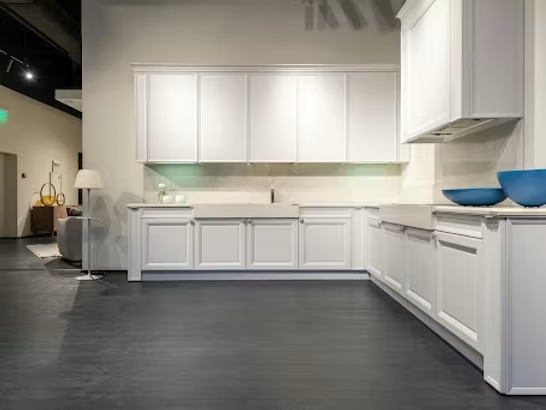
Navigating flooring choices in Singapore’s warm climate means considering more than just aesthetics. The right flooring can significantly impact your home’s indoor temperature and reduce reliance on air conditioning. When thinking about the Best flooring to cool down your home, it’s about understanding how different materials interact with heat, their thermal properties, and how they contribute to a cooler living environment. For homeowners, HDB/BTO residents, and commercial decision-makers, selecting flooring that dissipates heat efficiently or offers a naturally cool surface is key to enhancing comfort and potentially lowering energy bills.
Understanding Singapore’s Tropical Climate and Your Flooring Choices
Singapore’s constant high temperatures and humidity mean every design choice in your home or commercial space needs careful consideration, especially flooring. Traditional notions of ‘warm’ or ‘cold’ flooring materials often relate to their thermal mass and conductivity. Materials with high thermal mass, like concrete or stone, can absorb and slowly release heat, but if managed correctly, they can also act as excellent heat sinks during cooler parts of the day or when air conditioning is on. The goal is to choose flooring that feels cool underfoot and helps maintain a comfortable ambient temperature.
Key Factors That Influence Floor Temperature
Several elements contribute to how cool or warm your flooring feels and behaves:
Material Conductivity
This refers to how well a material transfers heat. High conductivity materials like ceramic tiles or natural stone quickly transfer heat away from your body, making them feel cool to the touch. Lower conductivity materials, like wood, act as insulators, retaining heat more.
Color and Reflectivity
Lighter colors and more reflective surfaces absorb less solar radiation, staying cooler. Darker, less reflective surfaces absorb more heat, contributing to a warmer floor temperature.
Installation Method
A flooring material’s cooling properties can be enhanced by its installation. For instance, some materials allow for airflow underneath, which can aid in heat dissipation.
The Best Flooring Types to Cool Down Your Home: A Deep Dive
1. Ceramic and Porcelain Tiles
These are often considered the champions of cool flooring in tropical climates. Their high thermal conductivity means they absorb heat from the room (and your feet) very quickly, making them feel cool. They are also highly durable, water-resistant, and come in an endless array of designs.
- Pros: Excellent heat dissipation, very durable, waterproof, easy to clean, wide design variety.
- Cons: Can feel very hard, grout lines may require maintenance, can be slippery when wet.
From a flooring consultant’s perspective, ceramic and porcelain tiles are a go-to recommendation for humid environments like Singapore. Their ability to shed heat makes them ideal for living areas, kitchens, and bathrooms, effectively reducing the need for constant air conditioning.
2. Natural Stone (Marble, Travertine, Granite)
Similar to tiles, natural stone boasts excellent thermal mass and conductivity, making it feel luxurious and cool. Marble, for example, is renowned for its naturally cool surface. These materials also add a touch of timeless elegance.
- Pros: Naturally cool, extremely durable, luxurious aesthetic, unique patterns.
- Cons: Can be very expensive, porous (requiring sealing and careful maintenance), heavy, can be slippery.
3. Polished Concrete
Increasingly popular in modern and industrial-themed homes, polished concrete is a fantastic thermal mass material. It absorbs heat during the day and can release it slowly, contributing to a cooler feel, especially if the house is aired out in the evenings. It’s also incredibly durable and low-maintenance.
- Pros: Excellent thermal mass, very durable, low maintenance, modern aesthetic, highly customizable.
- Cons: Can feel very hard and unforgiving, prone to cracking if not installed correctly, can be cold in an air-conditioned environment if not managed.
4. Vinyl Flooring: A Smart Choice for Singapore?
Modern vinyl flooring has come a long way. Unlike older, thinner vinyl sheets that could feel warm and trap heat, today’s luxury vinyl planks (LVP) and luxury vinyl tiles (LVT) are designed with multiple layers, including a rigid core. While vinyl itself is not as highly conductive as tile or stone, it offers significant advantages for Singaporean homes and commercials. Its excellent water resistance and durability are paramount in humid conditions. More importantly, it does not retain heat like wood, and its surface temperature can be quite comfortable, especially when compared to carpet. When considering the Best flooring to cool down your home, vinyl offers a balanced solution, providing comfort without contributing to heat retention, and is often preferred for its ease of installation and maintenance.
- Pros: Highly water-resistant, durable, comfortable underfoot (compared to tiles/concrete), wide range of designs, easy installation and maintenance.
- Cons: Not as cool as tile or stone, can be punctured or scratched with sharp objects.
Many clients appreciate vinyl for its practical benefits in Singapore’s climate. It resists moisture damage, which is crucial for reducing dampness and associated heat, and provides a pleasant walking surface that does not absorb and retain ambient heat significantly.
5. Wood Flooring and Decking: What You Need to Know
While natural wood is an insulator, meaning it resists heat transfer, this can be a double-edged sword in a tropical climate. It doesn’t get ‘cold’ like tiles, but it also doesn’t absorb and dissipate heat quickly. For indoor spaces, solid wood flooring offers a natural, inviting feel. It often feels neutral, neither overly hot nor cold. However, for outdoor areas, wood decking is an excellent choice for cooling. It allows for airflow underneath, preventing heat buildup on the surface, making outdoor spaces more enjoyable even on hot days.
- Pros (Indoor Wood): Natural aesthetic, warm and comfortable feel, durable with proper care.
- Cons (Indoor Wood): Can swell or warp with humidity, not as cool as tiles/stone, requires more maintenance.
- Pros (Wood Decking): Excellent for outdoor cooling (airflow), natural beauty, durable for outdoor use.
- Cons (Wood Decking): Requires regular maintenance (oiling, cleaning) to prevent rot or splintering.
Quick Comparison: Cooling Properties of Popular Flooring Materials
| Flooring Type | Thermal Conductivity | Feel Underfoot | Best Use Case (Cooling) |
|---|---|---|---|
| Ceramic/Porcelain Tiles | High | Very Cool | Indoors, high-traffic areas, bathrooms |
| Natural Stone | High | Very Cool | Indoors, luxurious spaces, entryways |
| Polished Concrete | High | Cool | Modern homes, ground floors, commercial spaces |
| Modern Vinyl Flooring | Medium-Low | Comfortably Neutral | All indoor spaces, HDB, commercial, moisture-prone areas |
| Wood Flooring | Low (Insulator) | Neutral/Warm | Bedrooms, living rooms (paired with other cooling methods) |
| Wood Decking | N/A (Outdoor) | Cool (airflow) | Outdoor patios, balconies, pool decks |
Beyond Material: Other Strategies to Keep Your Home Cool
Choosing the right flooring is a major step, but other elements can enhance your home’s cooling efficiency:
Rugs and Carpets: Friend or Foe?
While soft underfoot, carpets and thick rugs are insulators. They trap heat, making a room feel warmer. Use them sparingly in hot climates, perhaps only in bedrooms where comfort is prioritized and air conditioning is often used. Opt for natural, breathable fibers like cotton or jute if you do use rugs.
Window Treatments and Ventilation
Controlling direct sunlight with blinds, curtains, or external awnings significantly reduces heat gain. Good cross-ventilation, achieved by strategic window and door placement, allows hot air to escape and cooler air to circulate, complementing your flooring choices.
Professional Installation Matters
Proper installation ensures your chosen flooring performs as expected. For instance, correctly installed tiles and concrete will maximize their cooling properties, while properly laid vinyl will maintain its integrity and comfort in humid conditions. For commercial spaces, this is even more critical for long-term durability and performance.
Making the Right Choice for Your Singapore Home or Commercial Space
The Best flooring to cool down your home isn’t a one-size-fits-all answer. For HDB or BTO homeowners, durable and water-resistant options like modern vinyl flooring or ceramic tiles often provide the best balance of cooling, maintenance, and budget. For commercial decision-makers, materials like polished concrete or robust commercial-grade vinyl are excellent for their durability and ability to withstand heavy traffic while contributing to a comfortable environment. Ultimately, your choice should align with your lifestyle, aesthetic preferences, and practical needs for comfort and energy efficiency.
We advise homeowners and businesses to consider the long-term benefits of a cooler interior. A consultation with a flooring specialist can help you explore options and understand how different materials perform in real-world Singaporean conditions. Explore our commercial flooring solutions or contact us to discuss your specific project needs.