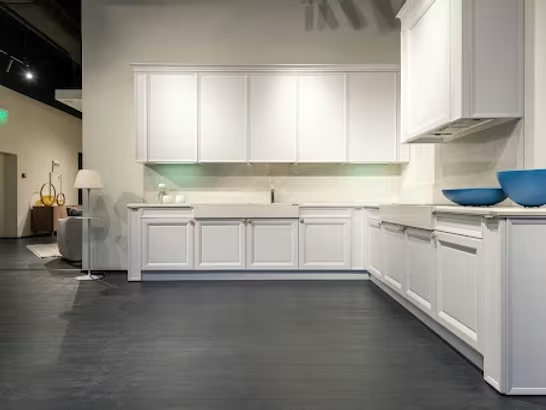
Add Warmth to Your Space with These 5 Types of Flooring
Transforming a house into a home often involves creating a comfortable and inviting atmosphere, and your choice of flooring plays a pivotal role in achieving this warmth. Beyond just aesthetics, the right flooring can influence a room’s thermal comfort, noise levels, and overall ambiance. Whether you are a homeowner embarking on a renovation, a BTO flat owner planning your new space, or a commercial decision maker designing a welcoming environment, understanding how different flooring materials contribute to warmth is essential. This guide explores five popular flooring types that can elevate the warmth and comfort of any space.
Understanding Warmth in Flooring
When considering ‘warmth’ in flooring, it refers to both the tactile sensation and the visual comfort a material provides. Certain flooring types feel warmer underfoot due to their insulating properties, reducing heat loss and making a room feel more comfortable, especially in air-conditioned environments or during cooler months. For instance, materials with lower thermal conductivity, like wood or some vinyl, do not draw heat away from your feet as quickly as ceramic tiles or natural stone. Beyond this physical warmth, the colour, texture, and pattern of flooring can also create a visually warm and inviting atmosphere, contributing significantly to a room’s overall character. Selecting a floor with a rich grain or a soft, earthy tone can instantly make a space feel cosier and more welcoming.
5 Flooring Types to Add Warmth to Your Space
1. Vinyl Flooring
Vinyl flooring has emerged as a versatile and popular choice for homeowners and commercial spaces seeking a blend of durability, aesthetics, and comfort. Modern vinyl flooring offers excellent thermal insulation, meaning it does not get as cold as tiles, providing a more comfortable underfoot experience. It is also highly resilient and resistant to moisture, making it suitable for various areas within a home or business. With advancements like SPC vinyl flooring, which features a rigid stone-plastic composite core, you gain enhanced stability and sound insulation. For those seeking superior performance and aesthetics, premium SPC vinyl options provide even greater durability and realistic wood or stone designs.
- Pros for Warmth: Good insulator, feels warmer underfoot than tiles, wide range of wood-look designs.
- Cons: Can feel less ‘authentic’ than real wood for some, quality varies.
2. Engineered Wood Flooring
Offering the timeless beauty of natural wood, engineered wood flooring provides a stable and aesthetically pleasing solution for adding warmth. Unlike solid timber, engineered wood is constructed with multiple layers, typically a plywood or HDF core topped with a real wood veneer. This multi-layered structure makes it more resistant to changes in humidity and temperature, reducing the likelihood of warping or gapping. It retains the natural warmth and acoustic properties of wood, making rooms feel more serene and inviting. Engineered wood is an excellent choice for those who desire the luxurious appearance of real timber with enhanced stability and often at a more accessible price point.
- Pros for Warmth: Natural wood surface offers inherent warmth, excellent thermal properties, sound dampening.
- Cons: Susceptible to scratches, generally more expensive than laminate or vinyl.
3. Solid Timber Flooring
Nothing quite compares to the classic elegance and profound warmth of solid timber flooring. Each plank is a single piece of wood, offering unparalleled natural beauty, durability, and a distinct character that evolves with time. Solid timber is an exceptional insulator, making your floors feel naturally warm underfoot and contributing to a comfortable indoor climate. Its innate acoustic properties help to reduce echoes, creating a quieter and more tranquil environment. Investing in solid timber is often seen as adding long-term value to a property, as it can be refinished multiple times, extending its lifespan for decades. This flooring choice truly brings the organic warmth and timeless charm of nature into your living or commercial space.
- Pros for Warmth: Naturally warm and soft underfoot, excellent insulator, luxurious aesthetic, can be refinished.
- Cons: Higher cost, requires more careful maintenance, susceptible to moisture and humidity changes.
4. Laminate Flooring
Laminate flooring provides an economical yet effective way to achieve the look and feel of real wood or stone, offering visual warmth without the higher cost of natural materials. Made from a synthetic multi-layer product fused together, laminate flooring is highly durable and resistant to scratches, dents, and stains, making it an ideal choice for high-traffic areas in homes or commercial settings. While it does not offer the same thermal insulation as solid timber or engineered wood, its layered construction can still feel warmer underfoot than ceramic tiles. Modern laminate designs boast impressive realism, providing a wide array of colours and patterns to create a cosy and inviting atmosphere.
- Pros for Warmth: Visually warm with realistic wood/stone designs, more affordable, relatively warm underfoot compared to cold surfaces.
- Cons: Can feel harder than wood or vinyl, not suitable for high moisture areas, cannot be refinished.
5. Composite Decking
While often considered an outdoor solution, composite decking plays a crucial role in extending the feeling of warmth and comfort from indoor spaces to outdoor living areas. By creating a cohesive and inviting transition from your internal warm flooring to a well-designed patio or balcony, composite decking enhances the overall perception of warmth and hospitality for your entire property. Made from a blend of recycled plastic and wood fibres, composite decking is remarkably durable, splinter-free, and requires minimal maintenance compared to traditional timber decking. Its ability to maintain a comfortable surface temperature even under direct sunlight makes it an ideal choice for creating warm, inviting outdoor entertaining spaces that seamlessly blend with your interior design.
- Pros for Warmth (Outdoor context): Creates an inviting, warm outdoor living space; comfortable surface temperature, less heat retention than concrete/stone in direct sun.
- Cons: Primarily for outdoor use, not directly for indoor warmth.
Choosing the Right Warm Flooring for Your Needs
Selecting the ideal warm flooring involves balancing several factors beyond just aesthetics. Consider the specific area’s traffic levels, your household’s lifestyle, and your maintenance preferences. For instance, a busy family with pets might benefit from the durability of vinyl or laminate, while a couple seeking a luxurious feel might prefer engineered or solid timber. Commercial spaces prioritize resilience and ease of cleaning, alongside creating a welcoming ambiance. Evaluating your budget is also crucial, as flooring prices vary significantly across types. An expert insight suggests that investing in quality underlayment, regardless of your chosen flooring type, can further enhance thermal insulation and acoustic comfort, making any space feel significantly warmer and quieter. Always consider the long-term value and comfort a specific flooring solution will bring to your environment.
Frequently Asked Questions About Warm Flooring
Does flooring affect room temperature?
Yes, flooring significantly affects a room’s perceived and actual temperature. Materials like concrete or tile are highly conductive and absorb heat, making them feel colder underfoot and contributing to lower room temperatures, especially if the subfloor is uninsulated. Conversely, materials such as wood, vinyl, or carpet have better insulating properties. They retain heat more effectively, contributing to a warmer ambient temperature and a more comfortable walking surface. A well-insulated floor can reduce heat loss, potentially lowering energy consumption required for heating or maintaining coolness in air-conditioned spaces.
Is vinyl flooring really warm to touch?
Compared to hard, cold surfaces like ceramic tiles or natural stone, modern vinyl flooring does feel considerably warmer to the touch. This is due to its composition, which includes layers of PVC and often a foam or cork backing, providing a degree of insulation. While it might not match the natural warmth of solid timber, it offers a comfortable alternative that avoids the icy shock of colder materials, making it a popular choice for bedrooms, living areas, and kitchens where barefoot comfort is desired. The temperature of your subfloor also plays a role, with proper underlayment enhancing vinyl’s thermal properties.
What are the benefits of warm flooring besides comfort?
Beyond the immediate comfort it provides, warm flooring offers several other benefits. It can contribute to energy efficiency by reducing the need for excessive heating, potentially lowering utility bills. The improved insulation also helps dampen sound, creating a quieter and more peaceful indoor environment. Aesthetically, warm flooring options like wood-look vinyl or timber can enhance a room’s visual appeal, making it feel more inviting and luxurious, which can increase property value. Additionally, the softened impact of warmer, more resilient flooring can be beneficial for joints and reduce fatigue when standing for extended periods, making it a practical choice for both residential and commercial spaces.