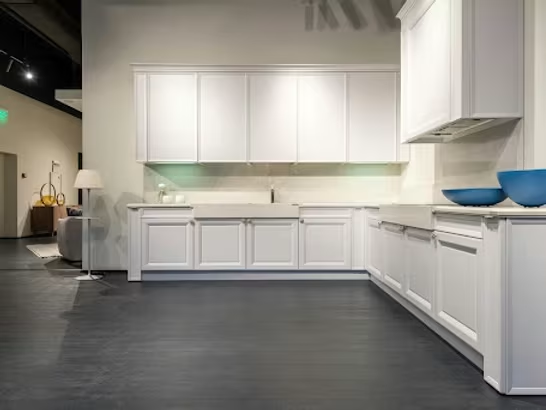
Transforming your home’s aesthetic often starts from the ground up, and choosing the right flooring is a pivotal decision. Overlay flooring has emerged as a particularly popular solution in Singapore, offering a compelling alternative to traditional hacking and re-tiling. It involves installing a new layer of flooring directly over your existing one, circumventing the mess, cost, and time typically associated with complete floor removal. This method is gaining significant traction among HDB homeowners, BTO residents, and even commercial entities seeking efficient and stylish renovation options.
Overlay Flooring: What It Is and Why It’s Popular in Singapore Homes
Overlay flooring refers to the process of installing a new floor surface directly on top of an existing, structurally sound floor without demolishing the old one. This technique is highly favored for its efficiency and minimal disruption during renovation. Unlike traditional methods that require extensive hacking, overlaying saves significant time and reduces labor costs, making it an attractive option for homeowners and commercial spaces in Singapore. It’s an excellent solution for refreshing your living space or commercial premise quickly and effectively.
What is Overlay Flooring?
Overlay flooring involves installing a new layer of flooring material over an existing floor, provided the base is stable, level, and clean. This method eliminates the need for demolition, which translates to a much faster renovation timeline and significantly lower costs due to reduced labor and debris disposal. Popular choices for overlay applications include various types of vinyl, laminate, and engineered wood, each offering unique benefits in terms of durability, aesthetics, and maintenance. It’s a versatile approach suitable for a wide range of residential and commercial environments.
Why is Overlay Flooring Gaining Traction in Singapore Homes?
The popularity of overlay flooring in Singapore is not accidental; it stems from a combination of practical benefits that resonate deeply with local homeowners and businesses. Given Singapore’s compact living spaces and the desire for efficient renovations, overlay solutions provide an ideal balance of convenience, affordability, and aesthetic appeal.
Cost-Effectiveness
One of the primary drivers for overlay flooring’s popularity is its significant cost savings. Eliminating hacking means no disposal fees for old debris and less labor required for removal. This can lead to substantial savings compared to a full floor replacement. For HDB and BTO homeowners on a budget, this makes stylish flooring upgrades more accessible.
Time Efficiency
Renovations can be stressful and time-consuming. Overlay flooring dramatically cuts down the project timeline since the messy and lengthy demolition phase is bypassed. Homeowners can enjoy their newly revamped spaces much sooner, which is particularly beneficial for those living in their homes during renovation or commercial establishments needing minimal downtime.
Minimal Disruption
The absence of hacking means less dust, noise, and general disruption. This is a huge advantage for families with young children, elderly residents, or businesses needing to maintain operations. The cleaner process contributes to a more pleasant renovation experience for everyone involved.
Versatility and Aesthetics
Overlay flooring offers a vast array of design possibilities. Modern materials are available in countless patterns, textures, and colors, mimicking natural wood, stone, or unique contemporary designs. This allows homeowners to achieve their desired aesthetic without compromising on practicality. From cozy residential vibes to sleek commercial looks, the options are extensive.
Environmental Considerations
Choosing to overlay rather than demolish also has environmental benefits. It reduces landfill waste by keeping existing materials intact and often uses materials that are more sustainably produced or recyclable. This aligns with a growing eco-conscious mindset among Singaporeans and contributes to a greener renovation approach.
Common Types of Overlay Flooring
When considering overlay flooring for your home or commercial space, several materials stand out for their suitability and popularity in Singapore’s climate. Each offers distinct advantages in terms of durability, aesthetics, and maintenance.
Vinyl Flooring (LVT, SPC)
Vinyl flooring, particularly Luxury Vinyl Tiles (LVT) and Stone Plastic Composite (SPC) vinyl, is an excellent choice for overlay projects. It’s incredibly durable, waterproof, and comes in designs that realistically mimic wood or stone. Its resilience makes it ideal for high-traffic areas and humid environments common in Singapore. For robust options, consider exploring FirmanVinyl Vinyl Flooring, FirmaSPC Advanced Vinyl Flooring, and FirmaSPC Plus Premium Vinyl Flooring.
Laminate Flooring
Laminate flooring is another popular overlay option, known for its cost-effectiveness and wide range of designs. It’s relatively easy to install and offers good scratch resistance. While not entirely waterproof like SPC vinyl, modern laminates have improved moisture resistance. It provides a warm, natural wood look without the high maintenance of real timber. Find out more about Laminate Flooring in Singapore.
Engineered Wood Flooring
For those who desire the authentic feel and look of real wood but prefer a more stable and cost-effective option than solid timber, engineered wood flooring is a fantastic overlay choice. It consists of multiple layers of wood, topped with a real wood veneer, offering superior stability against humidity fluctuations. FirmaEngineered Wood Flooring provides a beautiful and durable solution. If solid timber is still your preference, despite its higher cost and maintenance, FirmaTimber Solid Timber Flooring remains an option.
Is Overlay Flooring Right for Your Singapore Home?
Deciding whether overlay flooring is the best choice for your property involves weighing its advantages against potential limitations. Here is a balanced view to help you make an informed decision:
| Pros of Overlay Flooring | Cons of Overlay Flooring |
|---|---|
| Significant cost savings on labor and disposal. | Requires existing subfloor to be perfectly level and sound. |
| Faster installation time, minimizing renovation duration. | Adds a slight height to the floor, potentially affecting door clearances. |
| Less dust and noise pollution during installation. | If the underlying floor has issues, they must be addressed first. |
| Environmentally friendlier by reducing construction waste. | Not all flooring types are suitable for overlay (e.g., heavily damaged or uneven surfaces). |
| Wide variety of aesthetic choices to refresh your space. | May affect integrated fixtures or built-in elements if not planned carefully. |
Expert Insights: Considerations Before You Overlay
As a flooring and interior design consultant, I’ve seen how critical proper planning is for a successful overlay project. While overlay flooring offers fantastic benefits, a few key considerations ensure a smooth process and lasting results.
Subfloor Condition
The success of any overlay flooring project hinges on the condition of your existing subfloor. It must be dry, clean, structurally sound, and most importantly, level. Even minor unevenness can lead to issues like creaking or an unstable feel in the new flooring over time. A professional assessment can identify and rectify any underlying problems before installation.
Room Usage
Consider the traffic and moisture levels in the area where you plan to overlay. For high-traffic areas like living rooms or kitchens, durable options like SPC vinyl are highly recommended. In bathrooms or areas prone to spills, waterproof materials like specific types of vinyl are essential. For outdoor areas like balconies or patios, FirmaDeck Composite Decking Flooring could be a suitable overlay solution.
Moisture Management
Singapore’s humid climate makes moisture management a critical factor. Ensure that any existing moisture issues are resolved before overlaying. Proper moisture barriers or waterproof flooring materials can prevent future problems like warping, mold growth, or adhesion failures, protecting your investment.
Door Clearances and Integrated Elements
Adding a new layer of flooring will slightly raise the floor height. This can impact door clearances, built-in wardrobes, or kitchen cabinet plinths. Always factor this into your planning to avoid inconvenient adjustments post-installation. It’s wise to measure clearances beforehand and discuss potential solutions with your installer.
Overlay Flooring: A Smart Choice for Singaporeans
Overlay flooring represents a modern, efficient, and aesthetically pleasing solution for homeowners and commercial decision-makers in Singapore. It offers a fresh look with minimal fuss, making it an increasingly popular choice for a variety of properties, from HDB flats to private residences and commercial spaces. By understanding its benefits and considering expert insights, you can confidently embark on your flooring transformation journey, creating a beautiful and functional space that stands the test of time.