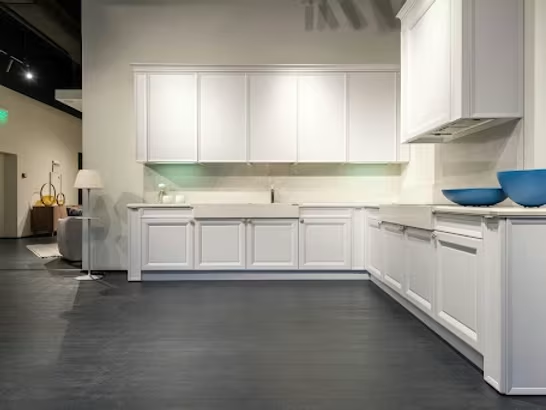
Choosing between light and dark floors profoundly shapes your room’s ambiance. This light dark floor comparison guides homeowners, BTO/HDB residents, and commercial decision-makers through the critical considerations for setting the perfect tone. Understanding how each shade impacts space, light, and perceived cleanliness is essential for a successful design outcome. Ultimately, your choice influences daily living and property appeal.
Light vs. Dark Floors: A Consultant’s Guide to Setting Your Room’s Tone
The Impact of Light Floors
Light colored flooring, including shades of white, cream, and pale grey, consistently brightens a space. It contributes to an airy, open feel, making smaller rooms appear larger and more expansive. This effect is particularly beneficial for compact HDB flats or offices aiming for an inviting, spacious environment. Furthermore, light floors enhance natural light, reflecting it upwards and illuminating the entire room, which can reduce the need for artificial lighting during the day. However, their light hue means they also show dirt and spills more readily, demanding consistent maintenance to preserve their pristine appearance.
Advantages of Light Floors
- Creates an illusion of larger, more open spaces.
- Maximizes natural light, making rooms brighter.
- Offers a versatile base for various interior design styles.
- Can make a space feel more modern and fresh.
- Reflects heat, potentially keeping rooms cooler in warm climates.
Disadvantages of Light Floors
- Shows dirt, dust, and pet hair more visibly.
- Requires more frequent cleaning to maintain a pristine look.
- Can be less forgiving with scratches and scuffs, depending on the material.
- May feel too stark or sterile in certain design contexts.
The Allure of Dark Floors
Dark flooring, encompassing deep browns, charcoals, and rich black tones, exudes sophistication and warmth. It grounds a room, providing a sense of stability and luxury. Dark floors work well in larger spaces where you want to create intimacy or define zones. They are excellent for showcasing light-colored furniture and decor, offering a strong contrast that makes other elements pop. While dark floors can absorb light, potentially making a room feel smaller, they are also more forgiving when it comes to showing minor dirt, dust, and everyday scuffs, though they can highlight lighter debris like pet dander or dust bunnies.
Advantages of Dark Floors
- Adds a sense of luxury, elegance, and sophistication.
- Can make large rooms feel cozier and more intimate.
- Provides a strong contrast for lighter furniture and wall colors.
- More effective at hiding minor dirt, scuffs, and imperfections.
- Excellent for contemporary and traditional design schemes.
Disadvantages of Dark Floors
- Can make a room feel smaller and less expansive.
- Absorbs light, potentially requiring more artificial lighting.
- May show lighter colored dust and pet hair more prominently.
- Can make a room feel too heavy or oppressive if not balanced with light decor.
- Can show scratches and dents more prominently, especially on glossy finishes.
Key Considerations for Your Flooring Choice
Deciding between light and dark floors involves more than just aesthetics. Consider these practical factors to ensure your chosen flooring truly enhances your living or working environment.
Room Size and Natural Light
For smaller HDB or BTO units, or rooms with limited natural light, lighter floors are generally recommended. They expand the perceived space and brighten the area, creating an inviting atmosphere. Conversely, expansive living rooms or commercial spaces with ample natural light can gracefully accommodate darker floors, allowing for a luxurious, grounded feel without feeling confined. It’s about balancing visual weight with available light.
Maintenance and Lifestyle
A common question homeowners ask is ‘Are light floors harder to keep clean?’ The answer lies in what type of dirt you have. Light floors reveal dark dirt, mud, and spills clearly. Dark floors, on the other hand, tend to conceal dark debris and scuffs but highlight lint, dust, and lighter pet fur. If you have pets or a busy household, a medium tone might offer a good compromise. Consider durable options like FirmaVinyl Vinyl Flooring or FirmaSPC Advanced Vinyl Flooring for high-traffic areas, as they are often easier to maintain regardless of shade.
Overall Design Aesthetic and Tone
Your flooring choice sets the foundation for your room’s entire design. Light floors often complement minimalist, Scandinavian, or coastal themes, fostering a serene and open feel. Dark floors resonate with modern industrial, traditional, or opulent designs, adding depth and drama. For a timeless appeal, FirmaEngineered Wood Flooring in varying shades offers classic elegance, while Laminate Flooring in Singapore provides versatile options for any style.
Resale Value and Timelessness
While personal preference drives your initial choice, considering future resale value is prudent, especially for homeowners. Neutral tones, whether light or medium-dark, generally have broader appeal. Extremely dark or exceptionally light floors can sometimes be polarizing. A balanced choice, perhaps a rich medium-brown or a light oak, offers both current satisfaction and potential future marketability. FirmaTimber Solid Timber Flooring, for instance, maintains strong appeal over time.
Expert Insights: Balancing the Light Dark Floor Comparison
As a flooring consultant, observation across numerous projects highlights a consistent trend: the most successful designs blend both light and dark elements. Instead of a strict ‘light vs. dark’ dichotomy for the floor alone, consider the entire palette. If you opt for dark floors, balance them with light walls, furniture, or rugs to prevent the space from feeling heavy. Conversely, bright floors can be grounded with darker furniture, strategic accent walls, or rich textiles. This harmonious interplay creates depth and visual interest, delivering a sophisticated result.
For commercial spaces, such as retail outlets or offices, the choice often aligns with brand identity and practicality. A modern tech office might favor light, crisp FirmaSPC Plus Premium Vinyl Flooring for a clean, innovative feel, while a luxury boutique might opt for the rich, deep tones of engineered wood to convey exclusivity. Outdoor areas, like balconies or patios, benefit from materials like FirmaDeck Composite Decking, where color choice can influence perceived temperature and aesthetic flow from indoor spaces.
| Feature | Light Floors | Dark Floors |
|---|---|---|
| Perceived Space | Expands room, feels open | Contracts room, feels cozy |
| Light Reflection | Maximizes natural light | Absorbs light, can dim room |
| Shows Dirt | Highlights dark dirt, spills | Highlights light dust, pet hair |
| Maintenance | Visible dark debris, frequent cleaning | Visible light debris, frequent cleaning for pristine look |
| Ambiance | Bright, airy, modern | Elegant, warm, sophisticated |
Ultimately, your decision should align with your functional needs, aesthetic desires, and the unique characteristics of your space. Do not hesitate to view samples in your actual room’s lighting conditions before committing. This simple step often reveals how different shades interact with your specific environment, ensuring confidence in your final choice for your perfect flooring.