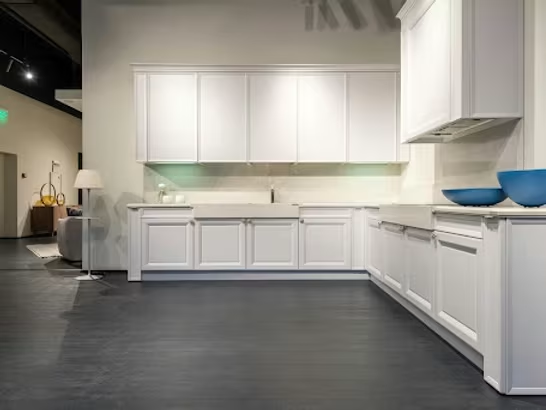
Commercial Flooring Solutions: Durable Vinyl and SPC for Business Spaces
Choosing the right flooring for a commercial space is crucial for both aesthetics and functionality. For businesses ranging from bustling retail stores to serene offices, commercial vinyl flooring and its advanced counterpart, SPC, offer unparalleled durability, ease of maintenance, and design versatility. These options provide long-lasting beauty and performance, perfectly suited for the daily demands of business environments, ensuring your investment stands the test of time and traffic.
What is Commercial Vinyl Flooring?
Commercial vinyl flooring refers to a category of resilient flooring products specifically engineered to withstand the rigours of commercial environments. Unlike residential vinyl, commercial-grade vinyl boasts enhanced durability, thicker wear layers, and often superior installation methods. It’s typically composed of several layers: a backing layer, a core layer for stability, a printed design layer, and a robust transparent wear layer that protects against scratches, scuffs, and stains. This construction makes it a practical and aesthetic choice for high-traffic areas.
Why Choose Commercial Vinyl Flooring?
Businesses opt for commercial vinyl flooring due to its comprehensive benefits. Its exceptional durability handles heavy foot traffic, rolling carts, and equipment without showing significant wear. The maintenance requirements are minimal, usually involving simple sweeping and damp mopping, which saves businesses time and resources. Aesthetically, vinyl offers vast design flexibility, mimicking natural materials like wood or stone, or featuring intricate patterns and colours to complement any interior design scheme.
- Durability: Engineered for resilience against constant use and heavy loads.
- Maintenance: Simple cleaning routines keep the floors looking new.
- Aesthetics: Wide range of designs, colours, and patterns available.
- Water Resistance: Highly resistant to spills and moisture, preventing damage.
- Cost-Effectiveness: Offers long-term value due to its lifespan and low maintenance.
Understanding Vinyl and SPC for Business
When exploring commercial vinyl flooring, two main types often come to mind: traditional vinyl (often in the form of Luxury Vinyl Tiles or LVT) and Stone Plastic Composite (SPC) flooring. Both offer distinct advantages for commercial settings, catering to different needs and priorities.
The Versatility of Vinyl Flooring
Traditional vinyl flooring, particularly LVT, is celebrated for its flexibility and design options. It’s available in planks (LVP) or tiles (LVT), allowing for creative installations and seamless replacements if a single piece gets damaged. The resilient nature of vinyl provides a comfortable underfoot feel, which is beneficial in environments where people stand for extended periods, such as retail checkouts or office workstations.
Pros of LVT/LVP:
- Excellent design versatility, realistic wood and stone looks.
- More comfortable underfoot compared to harder surfaces.
- Relatively easy to install and replace individual pieces.
- Good water resistance.
Cons of LVT/LVP:
- May show dents from heavy static loads over time.
- Less rigid than SPC, potentially revealing subfloor imperfections.
The Rise of SPC Flooring
SPC flooring, or Stone Plastic Composite, represents an evolution in vinyl technology. Its core is made from a combination of natural limestone powder, polyvinyl chloride, and stabilisers, creating an incredibly dense and rigid product. This unique composition makes SPC exceptionally stable, rigid, and resistant to temperature fluctuations. Its enhanced durability makes it an ideal choice for the most demanding commercial environments, including areas prone to high moisture or extreme temperature changes, like cafes or entryways.
Pros of SPC Flooring:
- Superior rigidity and impact resistance due to its dense core.
- 100% waterproof, suitable for kitchens, bathrooms, and high-moisture areas.
- Excellent dimensional stability, resistant to expansion and contraction.
- Often features an attached underlayment for sound dampening and comfort.
Cons of SPC Flooring:
- Can be slightly less comfortable underfoot than traditional LVT due to its rigidity.
- May be marginally more expensive upfront than some LVT options.
Vinyl vs. SPC: A Comparison for Commercial Use
Understanding the distinctions between LVT and SPC is key to making an informed decision for your business space. Each offers unique advantages depending on your specific requirements for durability, water resistance, and comfort.
| Feature | LVT/LVP (Luxury Vinyl Tile/Plank) | SPC (Stone Plastic Composite) Flooring |
|---|---|---|
| Core Composition | PVC and plasticisers, flexible. | Limestone powder, PVC, and stabilisers, rigid. |
| Durability/Impact | Good, but may dent under heavy static loads. | Excellent, highly resistant to dents and impacts. |
| Water Resistance | Good, generally water-resistant. | 100% waterproof, ideal for high-moisture areas. |
| Dimensional Stability | Good, but can expand/contract with temperature changes. | Superior, highly stable in varying temperatures. |
| Comfort Underfoot | Softer, more comfortable. | Firmer, slightly less comfortable than LVT. |
| Installation | Glue-down or click-lock (floating). | Click-lock (floating), easier DIY option. |
| Ideal Use | Offices, boutiques, areas valuing comfort and design flexibility. | Retail, restaurants, high-traffic areas, laundromats, moisture-prone zones. |
For businesses seeking the ultimate in rigidity and waterproofing, FirmaSPC Advanced Vinyl Flooring or FirmaSPC Plus Premium Vinyl Flooring stand out as superior choices. However, for a balance of comfort and style, FirmaVinyl Vinyl Flooring remains a strong contender.
Key Considerations for Commercial Spaces
Selecting commercial vinyl flooring involves more than just aesthetics. Practical factors directly impact the longevity, safety, and operational efficiency of your business. As an interior design consultant, I always advise clients to consider these critical aspects.
Durability and Traffic
The level of foot traffic in your commercial space dictates the required durability of your flooring. A retail store or restaurant experiences significantly higher traffic and potential impact than a small office. Look for commercial vinyl flooring with a thick wear layer (typically 20 mil or higher for heavy commercial use) and a robust core. This protects the printed design from scuffs, scratches, and abrasions, ensuring the floor maintains its appearance for years.
Maintenance and Hygiene
Ease of cleaning is paramount in commercial settings. Spills, dirt, and dust are inevitable. Commercial vinyl flooring and SPC are excellent choices here. Their non-porous surfaces prevent bacteria growth and make cleaning simple with standard cleaning agents. This aspect is particularly vital for healthcare facilities, food service establishments, or any business where hygiene is a top priority.
Design and Aesthetics
Your flooring significantly contributes to your brand’s image and the overall atmosphere of your commercial space. Commercial vinyl flooring offers an extensive palette of designs, from realistic wood and stone textures to contemporary patterns and vibrant colours. This versatility allows businesses to create specific moods, from professional and sophisticated to vibrant and playful, without compromising on performance. Consider the overall interior design scheme and choose a flooring pattern that complements it while remaining timeless.
Cost-Effectiveness
While the initial cost of commercial vinyl flooring can vary, its long-term value often surpasses other options. Its durability means fewer replacements, and its low maintenance requirements reduce ongoing operational costs. When evaluating cost-effectiveness, factor in the lifespan of the material, ease of installation, and projected maintenance expenses over the flooring’s lifetime.
Common Questions Answered
Homeowners, HDB/BTO to-be homeowners, and commercial decision-makers frequently ask specific questions about commercial vinyl flooring. Here are some of the most common inquiries, providing expert insights.
Is vinyl flooring good for commercial use?
Absolutely. Vinyl flooring, especially commercial-grade LVT and SPC, is an excellent choice for commercial use. It offers a combination of durability, aesthetic flexibility, and ease of maintenance that is hard to match. Its resistance to wear, water, and stains makes it suitable for various business environments, from offices to retail outlets, providing a long-lasting and attractive solution.
What is the most durable commercial flooring?
While several options exist, SPC (Stone Plastic Composite) commercial vinyl flooring is often considered among the most durable for commercial applications. Its rigid core provides superior impact resistance and dimensional stability, making it highly resilient against heavy traffic, static loads, and temperature fluctuations. It outperforms many other vinyl types in terms of sheer toughness and longevity in demanding environments.
How long does commercial vinyl flooring last?
Commercial vinyl flooring typically lasts between 10 to 25 years, depending on the quality of the product, the wear layer thickness, and the intensity of foot traffic. High-quality commercial-grade LVT or SPC with a robust wear layer and proper installation can easily exceed 20 years, offering a significant return on investment through its extended lifespan and reduced need for replacement.
Is commercial vinyl flooring waterproof?
Many types of commercial vinyl flooring are highly water-resistant, making them suitable for areas prone to spills. Specifically, SPC flooring is 100% waterproof due to its dense, non-porous core composition. This makes it an ideal choice for commercial kitchens, restrooms, and entryways where moisture exposure is a constant concern, preventing water damage and subfloor issues.
What factors should I consider when choosing commercial flooring?
When selecting commercial vinyl flooring, consider the expected traffic level, required durability (wear layer thickness), aesthetic goals, maintenance commitment, and budget. Evaluate the specific environment—whether it’s prone to moisture, temperature changes, or heavy impacts. Also, think about the long-term value, including installation costs and the lifespan of the material. For instance, while laminate flooring offers great aesthetics, it might not be as moisture-resistant as vinyl in certain commercial areas.
Expert Insights for Your Flooring Project
As an interior design expert, my advice extends beyond the technical specifications. The right flooring choice profoundly impacts your business’s operational efficiency and client perception. For high-traffic areas, always prioritise a thicker wear layer in your commercial vinyl flooring. A 28 mil wear layer, for instance, provides exceptional resilience in retail environments compared to a 20 mil layer. This seemingly small detail significantly extends the floor’s life and maintains its pristine appearance, reducing future renovation costs.
Consider the acoustics of your space. While commercial vinyl flooring offers some sound dampening, adding an underlayment can further improve acoustic comfort, crucial for open-plan offices or consultation rooms. This enhances the overall experience for employees and clients alike. For outdoor-adjacent areas, such as a cafe terrace, exploring options like FirmaDeck Composite Decking could provide a seamless transition and superior weather resistance.
When aiming for a luxurious, natural look, businesses often consider solid timber flooring or engineered wood flooring. While beautiful, these options demand more specific maintenance and are generally not as resilient to moisture or heavy commercial traffic as commercial vinyl flooring or SPC. Always weigh the aesthetic desire against the practical demands of your commercial environment.
Finally, remember that professional installation is key to unlocking the full potential of any commercial vinyl flooring. Improper installation can lead to premature wear, gapping, or moisture issues, regardless of the product’s quality. Always work with experienced installers to ensure your investment is protected and your floors look impeccable for years to come.