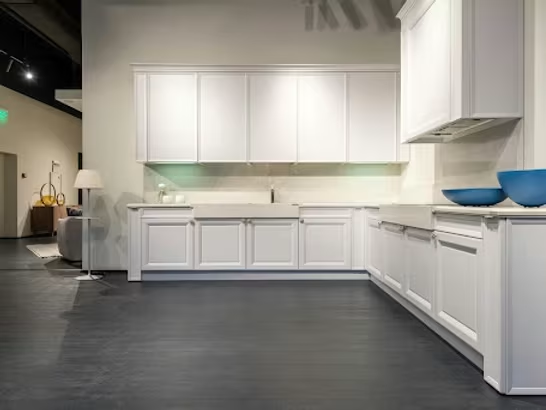
Install Cabinets or Flooring First in Your HDB
Deciding whether to install cabinets or flooring first is a common challenge for HDB homeowners embarking on a renovation journey. The optimal sequence largely depends on your chosen flooring type, cabinet design, and overall renovation timeline. While installing flooring first can offer a seamless aesthetic, installing cabinets first often minimizes damage risks and material waste, especially for heavier or permanent fixtures. Considering factors like potential spills, future repairs, and the stability of your subfloor will guide your decision towards a more efficient and durable outcome for your home.
Understanding the Renovation Sequence Dilemma
Homeowners frequently ask if floors should go in before cabinets. This question is crucial because the choice impacts aesthetics, durability, cost, and future maintenance. There are valid reasons for both approaches, and understanding these can prevent costly mistakes or frustrations down the line.
Arguments for Installing Flooring First
Opting to install your flooring before cabinets presents several advantages, particularly for certain types of materials.
Pros of Flooring First
- Seamless Aesthetic: A continuous floor flow under cabinets creates a highly polished, unbroken look.
- Easier Cleaning: It simplifies cleaning tasks since there are no exposed edges or gaps where dirt can accumulate.
- Future Flexibility: Replacing the flooring later becomes more straightforward as it avoids cutting around existing cabinet bases.
Cons of Flooring First
- Damage Risk: Heavy cabinet installation can scratch, dent, or chip newly laid floors, especially if not properly protected.
- Material Waste: You pay for flooring material that will be hidden under fixed cabinets, increasing overall cost.
- Stability Concerns: Very heavy cabinets may compress certain floating floors over time, potentially impacting their long-term integrity.
This approach is often considered for floating floor systems like vinyl flooring, SPC advanced vinyl flooring, SPC plus premium vinyl flooring, or laminate flooring, where future replacement might be simpler.
Arguments for Installing Cabinets First
Conversely, installing cabinets prior to flooring is a common practice, especially for permanent fixtures and certain floor types.
Pros of Cabinets First
- Damage Prevention: New flooring is protected from potential scratches, dents, or spills during cabinet installation.
- Material Savings: You avoid laying expensive flooring under areas where it will be permanently covered by cabinets, reducing material costs.
- Enhanced Stability: Cabinets sit directly on the subfloor, providing a very stable and solid foundation, particularly important for heavy kitchen islands or built-in wardrobes.
- Moisture Control: In wet areas like kitchens, installing cabinets directly on the waterproofed subfloor can offer better protection against water damage seeping under cabinets.
Cons of Cabinets First
- Precise Cuts: Flooring installers must make very precise cuts around the cabinet bases, which requires skill.
- Future Replacement Challenges: Changing the flooring in the future might necessitate cabinet removal, which can be disruptive and costly.
- Potential Gaps: If not executed perfectly, small gaps between the flooring and cabinet base might appear, requiring additional trim.
This method is frequently recommended for tiled floors, engineered wood flooring, or solid timber flooring, particularly in kitchens where water exposure is a concern.
Key Considerations for Your Decision
Several factors play a vital role in determining the ideal installation sequence for your HDB home.
Flooring Material
- Vinyl and Laminate: These are often floating floors. Installing them first can provide a cleaner look, but protection during cabinet installation is paramount. Their relative ease of replacement means installing them first isn’t as risky for future changes.
- Tiles: For tiled floors, installing cabinets first is generally preferred. Tiles are fixed directly to the subfloor, and having cabinets installed first provides a clear boundary, simplifies tiling, and prevents chips during cabinet placement.
- Engineered Wood and Solid Timber: These are more susceptible to damage from heavy impacts or moisture. While a seamless look is appealing, protecting these surfaces during heavy cabinet work is critical. Some prefer cabinets first for stability.
Cabinet Type
- Built-in Cabinets: For permanent, fixed structures like kitchen base cabinets or full-height wardrobes, installing cabinets first often makes practical sense.
- Modular or Freestanding Units: If your cabinets are not fixed to the wall or floor, laying the flooring first is usually fine, as these units can be moved easily for floor installation or replacement.
Future Renovation Plans
Consider your long-term plans. If you anticipate frequently changing your flooring, installing it first might simplify future renovations. However, if cabinets are a permanent fixture, installing them first could save effort during subsequent flooring changes.
Expert Insights and Best Practices
Based on extensive industry experience, a nuanced approach is often best for HDB renovations.
- Kitchens and Bathrooms: For these high-traffic, water-prone areas, installing permanent base cabinets on the waterproofed subfloor before flooring is typically recommended. This strategy minimizes potential water damage and enhances structural stability. The flooring can then be cut precisely around the cabinet bases.
- Living Rooms and Bedrooms: For spaces receiving full-height wardrobes or built-in storage units that are less prone to water exposure, laying the floor first often results in a neater finish, especially if the wardrobes are not entirely permanent. However, careful protection of the new floor during cabinet assembly is crucial.
- Subfloor Preparation: Regardless of sequence, ensure your subfloor is perfectly level, clean, and dry before any installation begins. A stable subfloor prevents issues for both your flooring and cabinets.
- Contractor Coordination: Effective communication with your interior designer, cabinet contractor, and flooring specialist is key. Aligning on the sequence ensures a smooth workflow and minimizes misunderstandings.
Making the Right Choice for Your HDB Home
The decision to install cabinets or flooring first in your HDB comes down to careful planning and understanding the specific needs of each space. There is no universally ‘correct’ answer. By weighing the pros and cons for your chosen materials and desired outcome, you can make an informed choice that ensures both beauty and longevity for your home.
Consider the functional aspects, the type of flooring, and the cabinet design. Often, a mixed approach is adopted where different rooms or areas follow different sequences based on their specific requirements.
Frequently Asked Questions
Do you tile under kitchen cabinets?
Generally, it is not necessary to tile under kitchen base cabinets. Most professionals recommend tiling up to the cabinet’s footprint. This approach saves on material costs and makes future cabinet removal or replacement simpler without affecting the entire tiled floor. However, tiling the entire area is an option for modular cabinets or if you prioritize extreme flexibility for future layout changes.
What comes first cabinets or flooring in a kitchen renovation?
In most kitchen renovations, installing base cabinets before the flooring is the preferred method, particularly for HDBs. This practice helps protect the new flooring from damage during cabinet installation, saves on material, and offers a more stable base for heavy kitchen fixtures. It also aids in preventing potential water damage from seeping under cabinets from floor spills.
Does it matter if I install flooring or cabinets first?
Yes, it absolutely matters. The sequence impacts material cost, the risk of damage, the aesthetic outcome, and ease of future renovations. Selecting the correct order based on your specific flooring type, cabinet style, and overall home use can save time, money, and stress in the long run. It’s a critical decision for a durable and beautiful renovation.