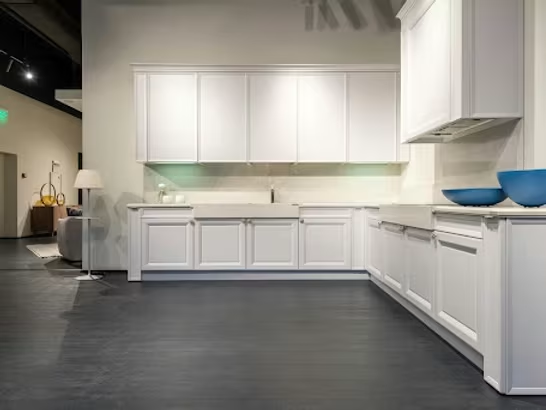
Transforming a dedicated space into a home gym is a rising trend, driven by convenience and personalised fitness journeys. Selecting the right flooring is critical for both performance and safety, alongside integrating seamlessly with your home’s aesthetic. The best home gym flooring offers superior durability, excellent shock absorption, and easy maintenance. For spaces with heavy weights, a minimum thickness of 8-10mm of flooring is often recommended, especially if you are placing substantial equipment. Most gym flooring solutions can be installed directly over existing hard surfaces like concrete, tiles, or even some types of laminate flooring, provided the subfloor is level and clean. Understanding these foundational aspects ensures your home gym is both functional and long-lasting.
Home Gym Flooring Trends for 2025
Prioritising Durability and Protection
Home gym flooring in 2025 moves beyond basic utility to offer enhanced protection for both users and the subfloor. As more advanced equipment enters home spaces, the need for robust flooring that can withstand impacts from dropped weights, consistent foot traffic, and the vibrations of treadmills becomes paramount. This shift highlights a preference for materials engineered for resilience.
The Rise of Advanced Vinyl Solutions
Modern vinyl flooring is a game-changer for home gyms. Gone are the days of limited aesthetics; today’s options offer incredible durability with versatile design. Vinyl flooring provides excellent resistance to scratches, dents, and moisture, making it a hygienic choice for sweaty workouts. Its comfort underfoot, combined with an ability to absorb moderate impact, makes it suitable for various exercise routines, from cardio to light strength training.
Specifically, SPC (Stone Plastic Composite) vinyl has become a top contender. Its rigid core technology offers superior stability and dent resistance compared to traditional vinyl. For even greater performance, SPC Plus premium vinyl brings added layers of protection and comfort, making it a professional choice for high-intensity areas without compromising on style. These options maintain integrity even under considerable stress, a critical factor for home gym longevity.
| Flooring Type | Pros | Cons | Best For |
|---|---|---|---|
| Rubber Flooring | Superior shock absorption, highly durable, slip-resistant, excellent noise reduction. | Can have a distinct rubber odor initially, aesthetic limitations, heavier to install. | Heavy weightlifting, CrossFit, high-impact activities. |
| SPC Vinyl Flooring | Highly water-resistant, dent-resistant, wide range of designs, comfortable underfoot, easy to clean. | Less shock absorption than thick rubber, can be pricier than basic options. | Cardio, yoga, bodyweight exercises, light-to-medium weight training, versatile gyms. |
| Artificial Turf | Unique look, good for sled pushes and functional training, durable, low maintenance. | Less versatile for all types of workouts, can be abrasive for floor exercises. | Functional training zones, agility work. |
| Laminate Flooring | Cost-effective, wide range of designs, easy to install. | Not ideal for heavy weights or high impact, susceptible to moisture damage. | Light cardio, yoga, stretching, aesthetic appeal in multi-purpose rooms. |
Seamless Integration and Aesthetic Appeal
Home gyms are no longer confined to the garage or a forgotten corner. They are increasingly becoming an extension of the living space, necessitating flooring that complements the overall interior design. The trend leans towards materials that offer both high performance and visual appeal, moving away from purely utilitarian surfaces.
Designing for Multi-Functional Spaces
Many homeowners integrate their gym areas into existing rooms, requiring flooring that transitions smoothly and looks inviting. This calls for options that mimic natural materials like wood or stone, but with the practical benefits required for fitness activities. While engineered wood flooring or even solid timber flooring might be chosen for areas dedicated to yoga or light stretching for their warmth and natural beauty, they generally are not recommended for heavy impact activities due to potential damage.
For outdoor or semi-outdoor gym extensions, composite decking offers a resilient, weather-resistant surface that maintains its aesthetic appeal. This expands the possibilities for where a home gym can be situated, allowing for fresh air workouts.
Sustainability and Health Considerations
As homeowners become more environmentally conscious, the demand for sustainable and non-toxic flooring materials for home gyms is growing. This trend focuses on materials that are not only durable but also manufactured with minimal environmental impact and contribute to a healthier indoor air quality.
Eco-Friendly Choices
Manufacturers are increasingly using recycled content in rubber flooring and exploring bio-based plasticisers in vinyl production. Choosing certified low-VOC (Volatile Organic Compound) flooring ensures that your workout space remains free from harmful emissions. This commitment to health extends to materials that are easy to clean and resist mould and mildew growth, fostering a truly hygienic environment for exercise.
Choosing Your Ideal Home Gym Flooring
Deciding on the best home gym flooring involves evaluating your specific fitness regime, budget, and design preferences. Consider the type of exercises you will primarily perform. Heavy lifting requires maximum impact absorption, whereas cardio and bodyweight activities might prioritise comfort and aesthetics.
For high-intensity training with heavy weights, thick rubber rolls or tiles remain an unparalleled choice for their shock absorption and subfloor protection. For multi-purpose rooms or lighter workouts, high-quality SPC vinyl provides a balanced solution of durability, aesthetics, and comfort.
As a flooring consultant, my insight suggests that investing in quality flooring from the outset prevents future issues and enhances your overall home gym experience. The market offers diverse solutions to meet every need, ensuring your fitness goals are supported by the right foundation.