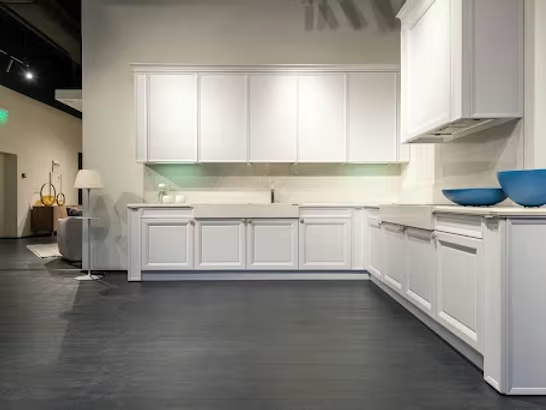
Flooring Qualities for an Eco-Friendly Home
Creating an eco-friendly home begins with thoughtful material choices, and flooring plays a crucial role. Opting for sustainable flooring contributes to a healthier indoor environment and reduces your carbon footprint. Key qualities to look for include materials sourced from renewable resources, low volatile organic compound (VOC) emissions, high durability, and recyclability. Understanding these aspects helps homeowners, HDB/BTO residents, and commercial decision-makers make informed choices that benefit both their space and the planet.
Understanding Eco-Friendly Flooring
What Defines Green Flooring?
When people ask, ‘What makes flooring eco-friendly?’, the answer lies in a combination of factors. Eco-friendly flooring minimizes negative impacts throughout its lifecycle, from production to disposal. This means prioritizing materials that are rapidly renewable, contain recycled content, or are sourced responsibly. The manufacturing process should also be energy-efficient and generate minimal waste. Ultimately, green flooring contributes to healthier indoor air quality and a reduced environmental footprint, aligning with the growing demand for sustainable living spaces.
The Impact of Volatile Organic Compounds (VOCs)
A common concern is, ‘What are VOCs in flooring and why are they harmful?’ VOCs are chemicals released into the air from various products, including some flooring materials, adhesives, and finishes. High levels of VOCs can lead to indoor air pollution, causing respiratory issues, headaches, and other health problems, especially for children and individuals with sensitivities. Eco-friendly flooring aims to have ultra-low or zero VOC emissions, ensuring a safer and healthier indoor environment. Look for certifications like Singapore Green Building Product (SGBP) labelling or FloorScore for assurance.
Key Qualities of Sustainable Flooring Materials
Sustainable Sourcing and Renewable Resources
The origin of your flooring material is paramount to its eco-friendliness. Materials sourced from renewable resources, like fast-growing trees or plants, ensure rapid replenishment without depleting natural habitats. For timber products, look for certifications from organizations promoting sustainable forestry. When considering options like Firmatimber solid timber flooring or Firmaengineered Wood Flooring, understanding their sourcing practices provides peace of mind. Responsible sourcing reduces deforestation and supports biodiversity.
Durability and Longevity
A truly sustainable flooring choice is one that lasts. Durable flooring reduces the need for frequent replacement, which in turn minimizes material consumption and waste generation. High-quality flooring, even if its initial cost is higher, proves more eco-friendly over its lifespan. For instance, advanced vinyl options like FirmaSPC advanced vinyl flooring and FirmaSPC Plus premium vinyl flooring are engineered for exceptional durability, making them a sustainable choice for high-traffic areas in homes and commercial spaces alike. Their resistance to wear and tear postpones the need for renovation.
Recyclability and End-of-Life Options
Considering what happens to your flooring at the end of its useful life is an important part of its eco-profile. Materials that can be recycled or repurposed reduce landfill waste. While some materials have more straightforward recycling streams than others, advancements in manufacturing are making more flooring types recyclable. For instance, modern vinyl options are increasingly being designed with recyclability in mind, making their end-of-life management more environmentally sound. This closed-loop system reduces the demand for virgin resources.
Low VOC Emissions and Indoor Air Quality
Beyond material sourcing, the impact on indoor air quality is a critical eco-friendly factor. Low VOC flooring protects occupants from harmful chemical emissions. This is particularly vital for families with young children or individuals with respiratory sensitivities. When selecting flooring, always inquire about its VOC emission levels and look for relevant certifications. Choosing low VOC adhesives and finishes is equally important to maintain a healthy indoor environment. This commitment to healthy air quality reflects a holistic approach to sustainable living.
Popular Eco-Friendly Flooring Options
| Flooring Type | Eco-Friendly Pros | Considerations |
|---|---|---|
| Engineered Wood / Solid Timber | Renewable resource, long lifespan, natural aesthetic. | Requires responsible sourcing (FSC certified), can be susceptible to moisture. |
| Vinyl Flooring (SPC/LVT) | Highly durable, water-resistant, often made with recycled content, low VOC options available. | Requires careful selection to ensure low VOC and phthalate-free, recyclability varies by manufacturer. |
| Composite Decking | Often made from recycled plastic and wood fibers, extremely durable, low maintenance. | Specific composition varies; some may contain virgin plastics, not typically for indoor use. |
| Laminate Flooring | Typically uses recycled wood fiber cores, affordable, can be durable. | Top layer is synthetic; ensure low VOC glues, difficult to recycle. |
Engineered Wood and Solid Timber
Wood flooring remains a timeless choice and can be highly eco-friendly when responsibly sourced. Firmaengineered Wood Flooring offers stability and sustainable usage of timber, as it uses a thinner layer of real wood over a durable core. Firmatimber solid timber flooring, while requiring more wood, provides unmatched longevity and can be refinished multiple times. The key is to ensure both options are sourced from sustainably managed forests, often indicated by certifications, minimizing environmental impact. They offer natural insulation properties and can contribute to energy efficiency.
Vinyl Flooring (SPC/LVT)
Modern vinyl flooring has come a long way in terms of sustainability. Options like Firmavinyl vinyl flooring, particularly Stone Plastic Composite (SPC) and Luxury Vinyl Tile (LVT), are increasingly popular. FirmaSPC advanced vinyl flooring and FirmaSPC Plus premium vinyl flooring are known for their extreme durability, waterproof nature, and stability. Many contemporary vinyl products feature low VOC emissions and are free from harmful phthalates, making them a healthier choice for indoor air quality. Their long lifespan reduces replacement frequency, further enhancing their eco-credentials.
Composite Decking
For outdoor areas or balconies, Firmadeck composite decking offers an excellent eco-friendly alternative to traditional timber. It is typically manufactured from a blend of recycled plastic and wood fibers, diverting waste from landfills and reducing the demand for virgin timber. Composite decking is exceptionally durable, resistant to rot, insects, and splintering, requiring minimal maintenance. Its long lifespan and use of recycled materials make it a strong contender for sustainable outdoor spaces, perfect for HDB balconies or commercial patios.
Laminate Flooring
Laminate flooring in Singapore is often chosen for its affordability and aesthetic versatility. While traditionally not always considered a top eco-friendly choice, modern laminate often utilizes a core made from recycled wood fibers. The key to its eco-friendliness lies in ensuring the manufacturing process adheres to strict environmental standards, particularly regarding glues and resins used, to minimize VOC emissions. Choosing durable laminate also extends its life cycle, reducing waste. It provides a practical and visually appealing option for many homeowners.
Making the Right Choice for Your Space
Residential vs. Commercial Considerations
The choice of eco-friendly flooring varies between residential and commercial applications. For HDB/BTO homeowners and couples, factors like low maintenance, durability for family life, and indoor air quality are paramount. In commercial settings, flooring must withstand high traffic, meet specific building codes, and often requires robust certifications for sustainability. A commercial decision-maker prioritizes performance, long-term cost-effectiveness, and environmental compliance. Understanding the specific demands of each environment guides the selection of the most suitable sustainable material.
Expert Insights for a Greener Home
When advising clients on eco-friendly flooring, a crucial insight is to look beyond just the raw material. Consider the entire product lifecycle, from manufacturing to installation and end-of-life disposal. Prioritize suppliers transparent about their sustainable practices and environmental certifications. For example, opting for flooring with robust warranties signifies a manufacturer’s confidence in its durability, directly contributing to its sustainability by extending its useful life. Furthermore, investing in proper installation and maintenance practices ensures your eco-friendly flooring performs optimally for years, solidifying its green credentials. It is a holistic approach to sustainable design.