Does Floor Colour Really Affect The Look Of Your Room?
Absolutely, floor colour profoundly impacts your room’s overall aesthetic and feel. It sets the tone, influencing perceptions of space, light, and even mood. The right floor colour can transform a cramped room into an expansive one or bring warmth to an otherwise sterile environment. Understanding these visual effects is key to crafting your ideal living or working space.
How Floor Colour Shapes Your Space: The Basics
Floor colour is a fundamental element in interior design, dictating how a room is perceived. Lighter shades reflect more light, instantly making spaces feel larger, brighter, and more open. Conversely, darker floor colours absorb light, creating a sense of coziness, intimacy, and often, sophistication. Mid-tone floors offer a versatile balance, providing warmth without overwhelming a small area or feeling too stark in a large one. The chosen hue establishes the foundation for your entire design scheme, influencing furniture choices, wall colours, and even the overall emotional response to the space.
Light Flooring vs. Dark Flooring: A Comparison
The choice between light and dark flooring is one of the most significant decisions for any homeowner or commercial space designer. Each option carries distinct advantages and disadvantages, shaping the room’s character in unique ways.
The Appeal of Lighter Floors
Light-coloured floors, such as pale woods, whites, and light greys, are popular for their ability to brighten and enlarge spaces. They are a common choice for HDB and BTO homeowners looking to maximise perceived space.
- Pros
- Expands perceived room size, making small rooms feel larger.
- Reflects natural and artificial light, increasing brightness.
- Offers a clean, airy, and contemporary aesthetic.
- Versatile, allowing for flexibility in wall colours and furniture.
- Cons
- More prone to showing dark dirt, stains, and scuff marks.
- Can feel cold or sterile if not balanced with warm accents.
- May require more frequent cleaning to maintain a pristine look.
The Drama of Darker Floors
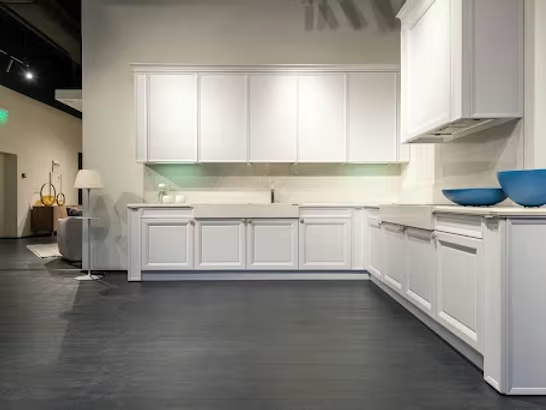
Darker floors, including deep browns, charcoals, and black tones, exude luxury and create a grounded, intimate atmosphere. They can add significant character to a room.
- Pros
- Adds a sense of warmth, coziness, and sophistication.
- Provides a strong contrast, making lighter furniture and decor pop.
- Effective in large, open-concept spaces to define areas.
- Tends to hide lighter dust and small imperfections.
- Cons
- Can make a room feel smaller and more enclosed.
- Absorbs light, potentially requiring more artificial lighting.
- Shows lighter dust, pet fur, and lint more visibly.
- May be prone to showing scratches or scuffs more clearly on certain finishes.
Understanding Room Dynamics with Floor Colour
The strategic use of floor colour can dramatically alter how a room is perceived, playing with optical illusions to expand or shrink spaces.
Making Small Rooms Feel Spacious
For compact spaces common in HDB flats or smaller commercial units, light-coloured flooring is a powerful tool. Opt for colours like pale oak, light grey, or even white. Extending the same flooring material into adjacent rooms or hallways also creates a continuous visual flow, further enhancing the sense of openness. Avoiding sharp contrasts between floor and wall colours helps maintain this expansive feel.
Creating Warmth in Larger Areas
In expansive rooms or open-plan layouts, darker or warmer floor colours can prevent the space from feeling cold or cavernous. Rich wood tones, deep greys, or even patterned flooring can add visual interest and a sense of grounding. These colours help to define zones within a large area, making it feel more intimate and inviting. Consider medium to dark shades to infuse a comforting ambiance.
Beyond Aesthetics: Practical Considerations
While visual appeal is crucial, the practicalities of floor colour choice are equally important for long-term satisfaction.
Maintenance and Dirt Visibility
The colour of your floor directly influences how visible dirt, dust, and debris will be. Darker floors, surprisingly, tend to highlight light-coloured dust, lint, and pet fur. Light floors, conversely, make dark scuff marks, mud, and spills more obvious. A medium-tone floor with subtle variations or a slight texture often provides the best camouflage for everyday wear and tear, reducing the perceived need for constant cleaning.
Resale Value and Timelessness
When considering future resale, neutral floor colours often have the broadest appeal. Classic light to medium wood tones, or versatile greys, are generally considered timeless choices that can complement a wide range of interior styles. While a bold, unique floor colour might be appealing now, a more understated option ensures your home remains attractive to potential buyers down the line, appealing to diverse tastes.
Pairing Your Floor with Your Walls and Furniture
Achieving a cohesive look involves considering your floor colour in relation to your walls, furniture, and overall decor. A lighter floor can be beautifully contrasted with darker walls for a dramatic yet balanced effect. Conversely, dark floors provide a solid foundation for lighter furniture and vibrant accents, making them stand out. For a harmonious scheme, select a floor colour that either complements or subtly contrasts with your main furniture pieces. An interior design expert often advises creating a balanced palette where no single element overwhelms the others, ensuring a refined and well-integrated space.
Choosing the Right Material: Impact on Colour Perception
The chosen flooring material also influences how a colour is perceived, thanks to its texture, finish, and inherent properties. For instance, a light shade on a smooth, reflective Vinyl Flooring or SPC Advanced Vinyl Flooring plank will appear brighter than the same shade on a matte, textured surface. For homeowners seeking extreme durability and a wide spectrum of colours, SPC Plus Premium Vinyl Flooring options provide both resilience and aesthetic flexibility. If you prefer natural beauty, Engineered Wood Flooring and Solid Timber Flooring offer a rich variety of authentic wood tones, from light maple to deep walnut. For a versatile and cost-effective solution, Laminate Flooring can mimic many different wood or stone colours. Even for outdoor areas, Composite Decking Flooring comes in various shades, impacting the feel of your exterior space. Each material carries its own distinct characteristics, shaping the final visual impact of your chosen floor colour.
Expert Insights for Your Flooring Choice
The journey to selecting the perfect floor colour is deeply personal, yet guided by timeless design principles. Always consider your room’s natural light, its primary function, and the mood you wish to create. It’s often beneficial to obtain samples and observe them in your space at different times of day. This practical step reveals how ambient light interacts with the colour and finish, helping you make an informed decision that will bring lasting satisfaction. Ultimately, the ‘best’ floor colour is one that complements your lifestyle, enhances your space, and makes you feel comfortable and content.