“`html
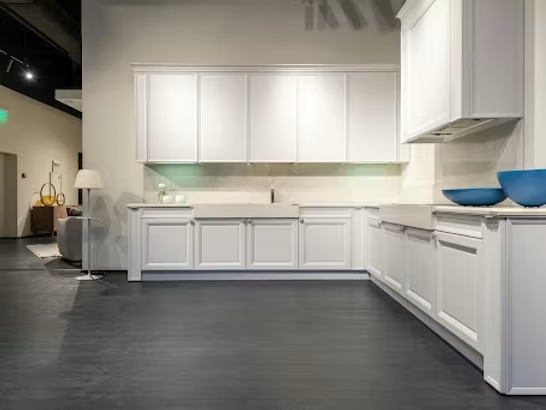
Best Vinyl Flooring for Kitchens
Selecting the right flooring for your kitchen involves balancing durability, water resistance, and aesthetic appeal. Vinyl flooring emerges as a top contender, offering a practical yet stylish solution for Singaporean homes and commercial spaces. Its robust nature makes it highly suitable for high-traffic, spill-prone areas like kitchens. Modern vinyl options mimic natural materials like wood and stone, providing sophisticated looks without the upkeep. This guide explores why vinyl is an excellent kitchen choice, the best types available, and key considerations for your selection.
Why Vinyl Flooring Excels in Kitchens
Kitchens are high-demand areas. They face constant foot traffic, potential spills, and heavy appliances. Vinyl flooring meets these challenges head-on.
Unmatched Water Resistance
Vinyl’s inherent water resistance is a major advantage. Unlike laminate or real wood, vinyl planks and tiles repel moisture. Spills can be wiped away without fear of warping or damage. This makes it ideal for kitchens prone to splashes from sinks or cooking accidents. SPC and WPC vinyl, in particular, are 100% waterproof, offering superior protection.
Exceptional Durability and Longevity
Modern vinyl flooring is engineered for durability. A thick wear layer protects against scratches, scuffs, and dents from dropped pots or moving chairs. This resilient surface ensures your kitchen floor looks good for years. Many high-quality vinyl products come with substantial warranties, reflecting their long lifespan. Industry estimates suggest well-maintained vinyl can last 15 to 25 years.
Comfort Underfoot
Vinyl offers a softer feel than traditional tile or stone. This provides more comfort when standing for extended periods, a common occurrence in kitchens. Its slight pliability also helps absorb impact, reducing the risk of breakages for dropped items. Some vinyl types have an attached underlayment for added comfort and sound absorption.
Versatile Aesthetics and Design
Gone are the days of plain vinyl. Today’s luxury vinyl planks (LVP) and tiles (LVT) replicate the look of natural wood, stone, and ceramic with astonishing realism. Advanced printing and embossing techniques create authentic textures and patterns. This versatility allows homeowners to achieve desired interior design styles. From Scandinavian minimalist to classic contemporary, vinyl fits seamlessly.
Cost-Effectiveness and Value
Vinyl flooring provides a premium look without the premium price tag of natural materials. Its relatively lower material cost combined with easier installation can lead to significant savings. Its durability and low maintenance further reduce long-term ownership costs. This makes vinyl an excellent value proposition for both residential and commercial kitchen projects.
Types of Vinyl Flooring for Kitchens
When selecting vinyl for your kitchen, understanding the different types is crucial. Each offers unique benefits.
Luxury Vinyl Plank (LVP) and Luxury Vinyl Tile (LVT)
LVP and LVT are popular for their realistic aesthetics and robust performance. LVP mimics wood planks, while LVT replicates stone or ceramic tiles. They consist of multiple layers, including a protective wear layer, a design layer, and a rigid core. These products are often installed using a click-lock system, making them a good DIY option.
- Pros: Highly realistic appearance, good water resistance, comfortable, easy to install (click-lock), durable.
- Cons: Can be more expensive than sheet vinyl, susceptible to dents from very heavy objects if not a rigid core.
Stone Plastic Composite (SPC) Vinyl Flooring
SPC vinyl is a newer, highly rigid form of LVT/LVP. Its core is made from a blend of natural limestone powder, polyvinyl chloride, and stabilizers. This composition makes SPC incredibly dense, dimensionally stable, and 100% waterproof. SPC is often considered the best vinyl flooring for kitchens due to its superior dent resistance and stability against temperature changes.
- Pros: Superior dent resistance, 100% waterproof, extreme durability, stable in temperature fluctuations, realistic designs.
- Cons: Can be harder underfoot than WPC, slightly more expensive than standard LVT.
Wood Plastic Composite (WPC) Vinyl Flooring
WPC vinyl features a core made from wood plastic composite, which is lighter and slightly softer than SPC. WPC also boasts 100% waterproofing. It provides excellent comfort underfoot and good insulation properties. While durable, its slightly softer core means SPC often gets the nod for kitchens with very heavy appliances.
- Pros: 100% waterproof, very comfortable underfoot, good insulation, easy to install.
- Cons: Less dent resistant than SPC, generally thicker.
Sheet Vinyl Flooring
Sheet vinyl comes in large rolls, typically 6 or 12 feet wide, minimizing seams. This makes it excellent for creating a truly waterproof surface. It is often the most budget-friendly vinyl option. While it may not offer the same realistic texture as LVP/LVT, modern sheet vinyl designs are increasingly sophisticated.
- Pros: Most affordable, seamless (highly waterproof), wide range of patterns, easy to clean.
- Cons: Installation can be trickier (professional required for large areas), can show subfloor imperfections, less realistic texture.
Key Factors When Choosing Kitchen Vinyl Flooring
Making an informed decision involves considering several crucial aspects beyond just appearance.
Wear Layer Thickness
The wear layer is the clear protective coating on top of the vinyl. Its thickness is measured in mils (thousandths of an inch) or millimeters. For residential kitchens, a wear layer of at least 12 mil is recommended. For commercial kitchens or high-traffic homes, 20 mil or higher provides superior protection against scuffs and scratches. A thicker wear layer directly correlates to better durability and longevity.
Waterproof vs. Water Resistant
While all vinyl is water resistant, truly waterproof options like SPC and WPC are superior for kitchens. Water resistant means it can handle moisture and spills if wiped up promptly. Waterproof means the material itself will not swell, buckle, or be damaged by water, even if submerged. For peace of mind in a kitchen environment, opting for 100% waterproof vinyl is advisable.
Slip Resistance
Safety is paramount in a kitchen. Look for vinyl flooring with a good slip-resistant rating. Texturing on the surface (embossed in register) can enhance grip. This is particularly important for preventing slips and falls on wet surfaces, a common risk in kitchen settings.
Installation Method
Vinyl flooring can be installed in various ways. Click-lock systems are popular for DIY enthusiasts due to their ease of installation, floating over the subfloor. Glue-down methods offer maximum stability and are often preferred for commercial applications or areas with extreme temperature fluctuations. Understanding different flooring installation methods helps determine suitability.
Design and Style Match
Consider how the flooring complements your kitchen’s overall design. Vinyl offers extensive options from authentic wood grain to sophisticated stone and abstract patterns. Darker shades can hide stains better. Lighter tones can make a kitchen feel more spacious. Sample pieces are essential to see how they look in your specific lighting conditions.
Installation Tips and Considerations
Proper installation ensures the longevity and performance of your vinyl kitchen floor.
- Subfloor Preparation: A clean, dry, level, and smooth subfloor is crucial. Any imperfections can telegraph through the vinyl over time.
- Acclimation: Allow vinyl planks or tiles to acclimate to your home’s temperature and humidity for at least 48 hours before installation. This prevents expansion or contraction issues after fitting.
- Professional Installation: While some vinyl is DIY-friendly, especially click-lock systems, professional installation is recommended for optimal results, particularly for sheet vinyl or large commercial projects. Professionals ensure proper sealing and a flawless finish. Contact us to learn more about our installation services.
Maintenance and Longevity
Vinyl flooring is notoriously low maintenance. Regular cleaning keeps it looking new.
- Daily Cleaning: Sweep or vacuum regularly to remove dirt and grit that can scratch the wear layer.
- Spill Cleanup: Wipe up spills immediately to prevent any potential damage, although modern vinyl handles moisture well.
- Deep Cleaning: Mop with a damp mop and a pH-neutral cleaner. Avoid abrasive cleaners or excessive water.
- Protection: Use felt pads under furniture legs. Avoid dragging heavy appliances. Place mats at entryways to trap dirt.
Expert Insights for Your Kitchen Flooring Project
Choosing kitchen flooring requires careful consideration. A durable, waterproof option like SPC vinyl is often recommended for its resilience against common kitchen challenges. Singapore’s humid climate also makes dimensionally stable flooring essential. Consider your lifestyle; a busy family kitchen benefits from a higher wear layer. For commercial spaces, assess traffic levels and specific hygiene requirements. Always obtain samples to evaluate them in your home’s lighting. This ensures your final choice enhances both function and aesthetic in your kitchen.
“`