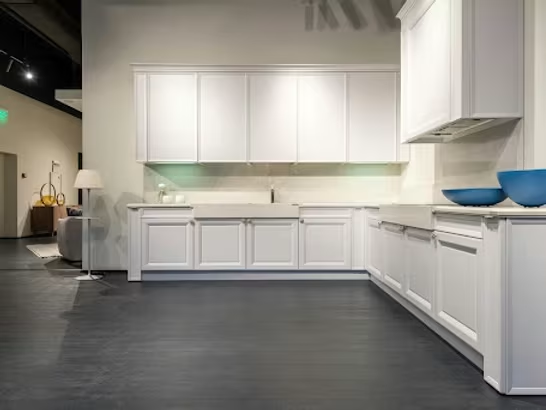
Choosing the right flooring for your family home is a significant decision that impacts comfort, aesthetics, and practicality for years to come. When weighing options like vinyl flooring and tile flooring, homeowners often consider durability, maintenance, appearance, and cost. Each material offers distinct advantages and potential drawbacks, making the ‘best’ choice highly dependent on individual lifestyle, budget, and specific room requirements. This guide delves into a comprehensive comparison to help you make an informed decision for your Singapore home, ensuring your flooring choice truly complements your living space.
Vinyl Flooring Or Tile Flooring For Family Home?
Understanding Vinyl Flooring
Vinyl flooring has seen tremendous advancements in recent years, evolving from basic sheets to sophisticated planks and tiles that mimic natural materials like wood and stone. Modern high quality vinyl flooring is incredibly popular for its versatility and performance.
Pros of Vinyl Flooring:
- Water Resistance: Many vinyl options, especially luxury vinyl planks (LVP) and SPC vinyl flooring, are highly water-resistant or even waterproof vinyl flooring, making them ideal for kitchens, bathrooms, and laundry areas where spills are common.
- Comfort Underfoot: Vinyl generally feels softer and warmer than tile, providing a more comfortable surface for walking and standing, especially beneficial for homes with young children or elderly residents.
- Durability: Engineered to withstand daily wear and tear, vinyl is resistant to scratches, dents, and stains, holding up well in high-traffic areas.
- Aesthetic Variety: Available in an extensive range of designs, colors, and patterns, including realistic wood grain and stone looks, allowing for significant design flexibility.
- Easy Maintenance: Requires only regular sweeping or vacuuming and occasional damp mopping.
- Affordability: Generally more budget-friendly than many tile options, particularly for large areas.
Cons of Vinyl Flooring:
- Subfloor Preparation: Requires a very smooth and level subfloor, as imperfections can show through the finished surface.
- Not Heat-Resistant: Extreme heat, such as direct sunlight through large windows, can sometimes cause expansion, discoloration, or warping over time if not designed for it.
- Resale Value: While improving, some homeowners still perceive it as less prestigious than hardwood or natural stone, potentially impacting perceived resale value, though this is changing with quality products.
- Susceptibility to Heavy Furniture: Sharp or heavy furniture can leave indentations if not properly protected.
Understanding Tile Flooring
Tile flooring, including ceramic and porcelain, has been a timeless choice for homes due to its robust nature and classic appeal. It is known for its incredible hardiness and ability to withstand challenging conditions.
Pros of Tile Flooring:
- Exceptional Durability: Highly resistant to scratches, chips, and heavy impact, making it suitable for very high-traffic areas and commercial settings.
- Superior Water Resistance: Naturally impermeable, tile is an excellent choice for wet areas like bathrooms, kitchens, and outdoor patios.
- Hypoallergenic: Does not harbor dust mites, pollen, or pet dander, contributing to better indoor air quality.
- Easy Cleaning: Spills and dirt sit on the surface, making cleaning straightforward with just sweeping and mopping.
- Design Versatility: Available in countless sizes, shapes, colors, and patterns, including options that convincingly mimic natural stone or parquet flooring.
- Longevity: With proper care, tile flooring can last for decades, often outliving other flooring types.
Cons of Tile Flooring:
- Hardness and Coldness: Tile is a very hard surface, which can be uncomfortable for long periods of standing and can make dropped items prone to breaking. It also tends to feel cold, especially in Singapore’s air-conditioned homes.
- Slippery When Wet: Some glazed tiles can become very slippery when wet, posing a safety risk. Textured or matte finishes help mitigate this.
- Grout Maintenance: Grout lines can accumulate dirt and mildew, requiring regular sealing and cleaning to maintain appearance.
- Difficult Installation: Installation is labor-intensive, often requiring professional expertise and specialized tools.
- Prone to Cracking: While durable, heavy impacts can cause tiles to crack or chip, requiring replacement.
- Less Sound Absorbent: Can contribute to echoes in large, open spaces.
Vinyl Flooring vs. Tile Flooring: A Direct Comparison
To help you decide, here’s a direct comparison of key factors:
| Feature | Vinyl Flooring | Tile Flooring |
|---|---|---|
| Durability & Longevity | Good; resistant to scratches/dents, can last 10-20 years with proper care. High-quality SPC offers excellent stability. | Excellent; highly resistant to wear, can last 20+ years. Impervious to most damage. |
| Water Resistance | Excellent, especially waterproof vinyl flooring options. | Superior; inherently waterproof once installed and grouted correctly. |
| Comfort & Sound | Warmer and softer underfoot, better sound absorption. | Harder and colder underfoot, less sound absorption, can be echoey. |
| Maintenance & Cleaning | Easy to clean with sweeping and damp mopping. No grout maintenance. | Easy to clean, but grout lines require regular cleaning and sealing. |
| Cost (Material & Installation) | Generally more affordable for materials and installation. DIY-friendly for some types. | Higher material cost and significantly higher installation cost due to labor and complexity. |
| Aesthetics & Design | Wide range of realistic wood/stone looks, modern patterns. | Vast array of colors, sizes, patterns; can be very sophisticated. |
| Resale Value | Perception is improving; good quality vinyl can be an asset. | Traditionally adds significant value, especially in bathrooms and kitchens. |
Which is Right for Your Family Home?
The ideal choice ultimately depends on your specific needs and priorities. Consider these factors:
- Lifestyle with Kids and Pets: For active families with children and pets, the comfort and scratch resistance of vinyl flooring, particularly SPC, might be appealing. Its ability to absorb impact can also reduce the risk of breakage from dropped items.
- Specific Room Requirements:
- Kitchens & Bathrooms: Both are excellent due to water resistance. Vinyl offers more warmth; tile offers ultimate water protection and durability.
- Living Rooms & Bedrooms: Vinyl’s warmth and comfort are often preferred here. For a truly luxurious feel that mimics wood without the maintenance, consider laminate flooring as well.
- Outdoor/Balcony Areas: Tile (especially porcelain or natural stone) is generally the superior choice for outdoor spaces due to its resilience to weather and sun. For a beautiful outdoor living space, consider wood decking.
- Budget: If cost is a primary concern, vinyl is typically more budget-friendly upfront for both material and installation. However, consider the long-term investment.
- Long-term Plans: If you plan to stay in your home for decades, investing in higher quality materials that last, whether vinyl or tile, pays off.
Expert Insights & Recommendations
As a flooring consultant, here are a few insights:
For HDB and BTO homeowners, vinyl flooring, especially SPC, offers a fantastic blend of durability, aesthetics, and affordability. Its ease of maintenance and comfort underfoot make it a practical choice for everyday living in Singapore’s climate. The variety of designs means you don’t have to compromise on style.
For commercial decision-makers, tile flooring often reigns supreme in high-traffic commercial spaces due to its unmatched durability and ease of sanitation. However, modern commercial-grade vinyl is also a strong contender for offices and retail, offering better acoustics and underfoot comfort.
When selecting your flooring, always request samples to see how they look in your home’s natural light. Consider the overall design aesthetic you’re aiming for. Most importantly, engage with a reputable flooring supplier and installer. Proper installation is paramount for the longevity and performance of any flooring material, whether it’s vinyl or tile.