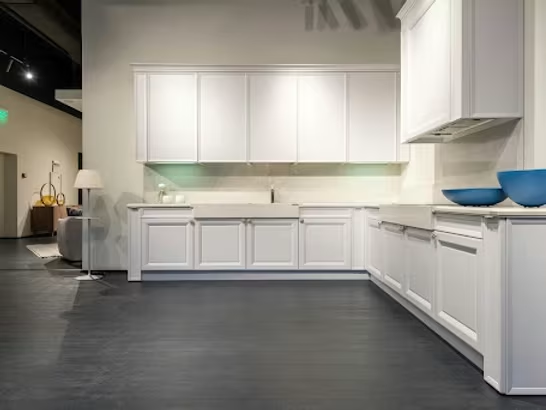
Wood flooring, whether it’s classic timber or modern engineered wood, brings warmth and elegance to any Singapore home or commercial space. Its timeless appeal is undeniable, making it a popular choice for homeowners, BTO residents, and design-conscious decision-makers. However, the beauty of wood flooring can be easily compromised by simple, often overlooked actions. Understanding the common
Bad Habits That Can Cause Damage To Your Wood Flooring
is crucial for preserving its lifespan and aesthetic. From excessive moisture to abrasive impacts, many daily routines contribute to wear and tear. This guide will explore these habits, provide expert insights on prevention, and offer practical tips to ensure your wood floors remain a stunning feature for years to come.
Common Culprits: Everyday Habits Harming Your Wood Floors
Many daily routines, seemingly innocent, can silently inflict significant damage on your wood flooring. Recognizing these habits is the first step toward effective prevention and long-term preservation.
Excessive Moisture: The Silent Killer
Wood and water are not natural allies. Prolonged exposure to moisture is arguably the biggest threat to any wood floor, leading to costly and irreversible damage.
- Over-wet Mopping: Using a soaking wet mop leaves standing water on the surface, which can seep into seams and cracks. This leads to swelling, cupping (where the edges of the planks are higher than the center), and warping. Flooring professionals often observe that a slightly damp mop, or even just a vacuum with a soft brush attachment, is sufficient for regular cleaning.
- Unwiped Spills: Accidents happen, but leaving spills like water, drinks, or pet urine to sit for even a short period allows moisture to penetrate the wood’s protective finish, causing stains, discoloration, and structural damage. Prompt clean-up is non-negotiable for proper care.
- High Humidity: Singapore’s tropical climate inherently brings high humidity. Consistent high moisture in the air can cause wood to absorb moisture, swell, and even buckle. Maintaining good ventilation and considering dehumidifiers in very humid rooms can mitigate this risk.
Abrasive Action: Scratches and Scuffs
Everyday traffic introduces abrasive particles and impacts that can mar the surface of your beautiful wood floors.
- Dragging Furniture: Moving chairs, tables, or cabinets without proper protection is a leading cause of deep scratches and gouges. Even small movements can create noticeable marks over time.
- Wearing High Heels: The concentrated pressure from high heels, especially stilettos, can create dents and punctures in the wood’s surface. A 125-pound woman in high heels can exert over 2,000 pounds per square inch of pressure, far exceeding what many wood floors are designed to withstand.
- Pet Claws: Untrimmed pet nails, particularly from larger dogs, can scratch and dull the finish with every step. Regular grooming helps prevent this cumulative damage.
- Grit and Dirt: Small particles of sand, dirt, and gravel tracked in from outside act like sandpaper underfoot. These abrasives are a major contributor to surface wear and micro-scratches that accumulate over time, dulling the floor’s sheen.
Harsh Cleaning Products: The Wrong Rx
Not all cleaners are created equal, and using the wrong one can strip your floor’s finish or leave a dull residue.
- Ammonia-based or Abrasive Cleaners: Products containing ammonia, bleach, or strong detergents can strip the protective finish of your wood floor, making it vulnerable to moisture and scratches. They can also dull the appearance or leave a sticky residue.
- Wax Polishes on Urethane Finishes: If your wood floor has a modern urethane finish, applying wax polishes can create a build-up that’s difficult to remove and can actually attract more dirt, making the floor appear cloudy or dull. Always use cleaning products specifically designed for your type of wood floor finish.
UV Exposure: Fading’s Silent March
While often overlooked, the sun’s rays can be surprisingly detrimental to wood flooring.
- Direct Sunlight: Prolonged exposure to direct sunlight, especially in sunny Singapore homes, can cause wood to fade and discolor unevenly. This is particularly noticeable if rugs or furniture are moved, revealing areas that were protected from UV rays and now have a different shade.
Neglecting Basic Maintenance
A lack of consistent, simple care can allow minor issues to escalate into significant damage.
- Not Sweeping or Vacuuming Regularly: Allowing dirt, dust, and abrasive grit to accumulate means it’s constantly being ground into the floor with every step. Regular cleaning is fundamental for preventing premature wear.
- No Doormats: Placing high-quality doormats at all entrances significantly reduces the amount of dirt, moisture, and debris tracked onto your wood floors, acting as the first line of defense.
Preventing Damage: Proactive Steps for Lasting Beauty
Protecting your wood floors doesn’t require extensive effort, just consistent application of simple, effective habits.
- Clean Regularly and Correctly: Sweep or vacuum daily with a soft-bristle attachment to remove grit. For deeper cleaning, use a wood floor cleaner recommended by flooring professionals, applied sparingly with a slightly damp (not wet) microfiber mop.
- Use Furniture Pads: Attach felt pads to the legs of all furniture that rests on your wood floor. Regularly check and replace these pads as they wear down.
- Trim Pet Nails: Keep your pets’ nails trimmed short to minimize scratches and scuffs.
- Strategic Mat Placement: Place doormats at all entry points to trap dirt and moisture. Consider runners or area rugs in high-traffic zones like hallways and living areas, but be mindful of potential uneven fading if not periodically shifted.
- Manage Sunlight Exposure: Use curtains, blinds, or UV-filtering window films to protect your floors from direct sunlight, especially during peak hours.
- Maintain Stable Humidity: In Singapore’s climate, a consistent indoor humidity level between 40-60% is ideal for wood. This helps prevent expansion, contraction, and gapping.
- Lift, Don’t Drag: When moving furniture, always lift it rather than dragging it across the floor. Use furniture glides or seek assistance for heavy items.
- Prompt Spill Cleanup: Immediately wipe up any spills with a clean, dry cloth to prevent moisture penetration and staining.
By adopting these proactive habits, you can significantly extend the life and beauty of your wood flooring, ensuring it remains a durable and elegant foundation for your home or commercial space.
Choosing the Right Foundation: Quality Matters
While maintenance plays a critical role, the inherent quality of your flooring material and its installation are fundamental to its durability. Investing in high-quality wood flooring provides a stronger defense against daily wear and tear. Premium materials and expert installation contribute to a more resilient surface that resists common forms of damage more effectively.
For those seeking durable and beautiful flooring solutions, understanding your options is key. From the initial selection of materials to professional installation, securing the right foundation for your space is paramount. If you’re looking for expert advice or considering a new installation, connecting with wood flooring experts can provide valuable insights and access to a wide range of flooring solutions tailored to your specific needs.